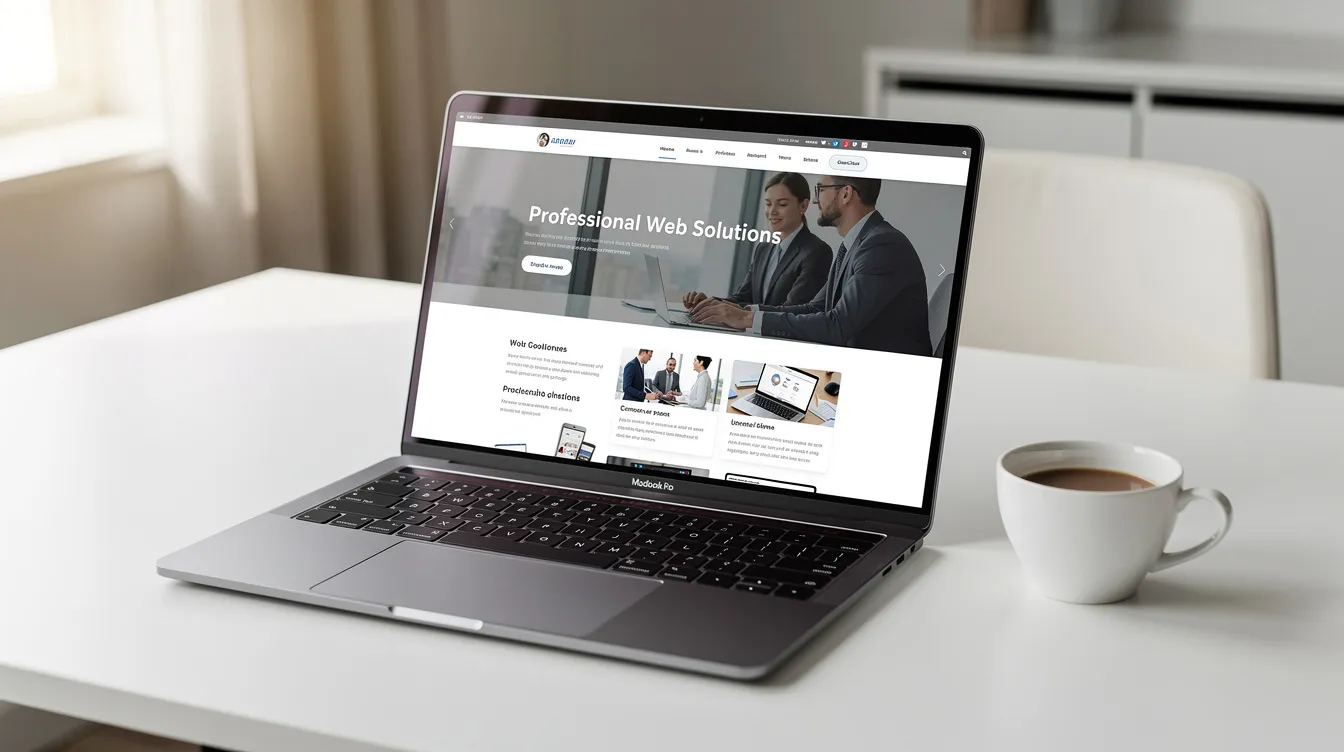
Website Package Prices at a Glance
If you are shopping for a new website in 2026, you have probably noticed that website package prices vary a lot. That spread is not random. It reflects real differences in scope, design complexity, and the type of business the site needs to serve.
Here is the short version. A basic website for a small business usually has five to ten pages, responsive design, contact forms, and a content management system. A mid-range corporate website adds custom design and integrations. An advanced e commerce website adds product catalogs, the ability to accept payments, and shipping logic, and it sits at the top of the range.
Website package prices usually bundle strategy, UX/UI design, development, content management system setup, and some level of ongoing support or hosting. What moves the final cost is the type of site you need (a landing page versus a corporate website versus a marketplace), your business size, and whether you go with a template, a custom website, or something in between.
This article walks through the factors, the typical inclusions, and the trade-offs that matter, so you can land on a budget friendly option that still supports your growth plans. For my own packages, see my pricing page.
What Is a Website Package? (And What Is Usually Included)
A website package is a pre-scoped bundle of services, typically labeled something like Starter, Business, or Pro. It combines planning, UX/UI design, development, CMS setup, basic SEO, and launch support into a single deliverable with a fixed price, and providers often market these fixed-tier bundles as design packages.
Agencies and freelancers often present deliverables as predictable fixed-price tiers or design packages because it simplifies procurement for clients and reduces the risk of open-ended billing. Providers often price their services using fixed-price project-based models rather than purely hourly arrangements. Some also offer monthly retainers that bundle initial development with continuous maintenance, spreading the website cost over time.
Typically included in a standard package:
-
A fixed number of unique pages
-
Responsive design for mobile devices and desktop
-
Content management system setup (WordPress, Webflow, Shopify)
-
Contact forms and basic lead capture
-
Basic analytics and tracking integration
-
SEO-friendly page structure and meta descriptions
-
Limited rounds of design revisions
-
Launch support and a short post-launch period of free fixes
Typically excluded or priced as add-ons:
-
Complex integrations (CRM, ERP, custom databases)
-
Extensive copywriting or content creation beyond your own content
-
Large-scale SEO or marketing campaigns
-
Custom web applications, dashboards, or portals
-
Professional photography or video production
-
Ongoing marketing and accessibility audits
Understanding these boundaries up front prevents surprises when the final cost arrives.
Template vs Custom Website Packages: Which Impacts Price More?
The single biggest fork in website package prices is whether you choose a template-based build or a fully custom website designed from scratch. Both can produce professional results, but the cost gap is significant.
Template-based packages are cheaper and faster. Custom website design costs more and varies depending on the depth of UX research, the number of unique pages, and the reputation of the provider.
Template packages:
-
Faster delivery
-
Lower design cost, because pre-built themes do much of the work
-
Budget friendly for early-stage or local businesses
-
Trade-off: limited branding differentiation and potential performance constraints
-
Website builders usually charge a monthly fee on the platform side, and the free version often displays ads and limits features, so it rarely suits a professional online presence
Custom packages:
-
Full wireframing, mockups, and sometimes user research
-
Stronger brand alignment and conversion optimization
-
Better suited for funded startups, SaaS companies, or brands competing in crowded markets
-
Higher upfront investment but often better long-term return
-
Custom animations, interactive storytelling, and tailored user journeys
Rule of thumb: if your business grows primarily through word-of-mouth and local referrals, a polished template can get you much of a custom design’s impact at a lower cost. If you are competing for search visibility in a crowded space, investing in a custom website can pay for itself faster.
Core Factors That Shape Website Package Prices
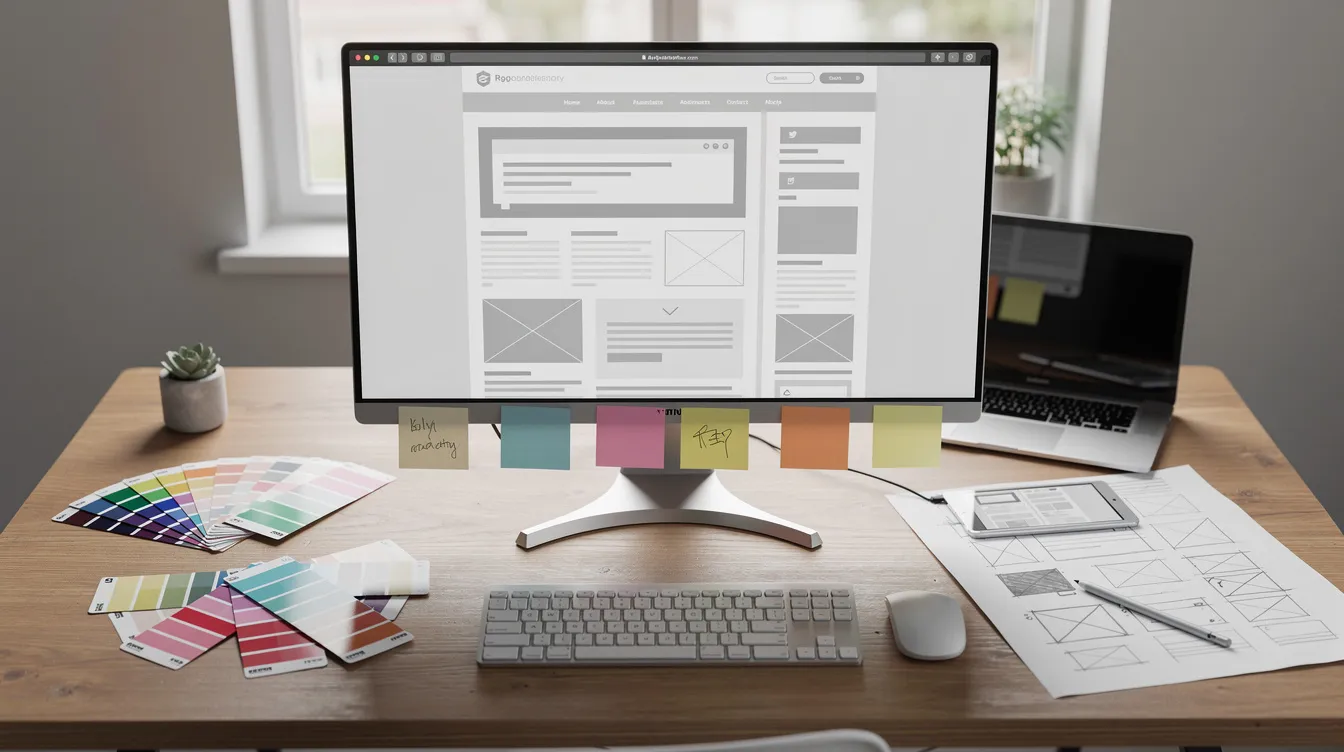
Before diving into specific website types, it helps to understand the several factors that push prices up or down inside any package.
-
Page count: More unique pages means more design templates, more content, and more QA. What matters most is the number of distinct page layouts, not just the raw page count.
-
Design complexity: Stock templates versus bespoke art direction with illustrations and micro-animations. Moving from minimalist design to fully art-directed UI design can raise the design pricing line item a lot.
-
Feature set: Contact forms are standard. Booking systems, membership areas, search and filter tools, and ecommerce features add meaningful development hours.
-
Integrations: Connecting to CRMs, marketing automation, or shipping APIs. Each integration adds scoping, development, and testing time.
-
Content volume: Whether the client supplies copy or the provider writes it. Migrating hundreds of legacy posts or products from an old site adds real cost.
-
Responsive design: Making the site work well on mobile devices is now expected, but it adds time on complex builds with more features.
-
SEO setup: Friendly page structures and meta descriptions are baseline in reputable packages but often skipped in bargain quotes.
Ongoing services like maintenance, hosting, and marketing are usually priced as separate monthly or annual add-ons.
Website Package Prices by Type of Website
Different website types have distinct baseline price bands because their features, content structures, and technical demands vary depending on purpose.
-
Landing page: the lowest band, from a simple page to a premium custom build
-
Blog or content hub: a low to mid band
-
Corporate website for a small business: a mid band
-
Corporate website for a larger company: a high band
-
E commerce website: a mid to high band, depending on catalog size
-
SaaS website: a high band, even for a marketing site only
-
Marketplace or complex platform: the highest band
Before choosing a package type, identify your primary goal: lead generation, online sales, product education, or brand credibility. That goal determines which category your site falls into and how much you should realistically budget.
Landing Page Packages: Single-Page Sites and Campaign Funnels
A landing page is a focused, usually single-page site built for one specific purpose: capturing leads, promoting a product launch, or driving conversions for a time-bound campaign.
Landing page packages vary depending on whether you use website builders, an agency template, or a fully custom build:
-
Builder plan: Ideal for testing a startup idea or running a quick promotion. Most include a drag and drop editor and a user friendly interface, though the free version usually limits features and shows platform branding.
-
Template-based package: Includes a custom hero section, benefits blocks, social proof elements, a lead capture form, and basic conversion tracking. A professional designer handles layout and branding within a proven template framework.
-
Premium custom landing page: Fully bespoke storytelling design with custom animations, scroll-triggered interactions, and deep analytics integration. Best for high-stakes product launches or competitive paid campaigns.
Landing pages are ideal for validating ideas, testing new markets, or running seasonal promotions without committing to a full corporate website.
Blog and Content-Driven Website Packages
Blog websites and content hubs center on publishing regular articles, guides, or news. They require a stable content management system, clean taxonomy, and templates optimized for search engines.
-
Simple blog packages include a homepage, category pages, a single-post template, author profiles, and basic newsletter sign-up integration.
-
Polished editorial designs add featured post carousels, advanced search, multiple content types, and custom typography.
What inflates the price here is content migration. Importing many legacy posts from an old site, with redirects, image optimization, and metadata cleanup, adds time to any package. Some providers also offer subscription models for website development that bundle content production with ongoing site management.
Corporate Website Packages for Small, Medium, and Enterprise Businesses
A corporate website is a multi-page brand hub built to communicate services, establish credibility, attract potential customers, and support internal processes like recruitment or investor relations.
Small business corporate website:
-
Ten to thirty pages covering services, about, blog, and contact
-
Custom or semi-custom design with responsive layouts
-
CMS training so non-technical staff can manage their own website
-
Basic integrations such as analytics and email capture
Mid-size corporate website:
-
Multi-level navigation and many more pages
-
A custom design process with UX research, wireframes, and several revision rounds
-
Integrations with CRM, applicant tracking, or marketing automation
-
Case study templates, resource libraries, and partner portals
Enterprise corporate website:
-
A very large page count with internationalization, translation, and compliance layers
-
Full design services including brand guidelines and accessibility audits
-
Multiple stakeholder approval workflows that extend timelines
Business size and internal review complexity affect both timelines and costs. An enterprise web design project with many approval layers takes significantly longer, and costs more, than a small business build with a single decision-maker.
E Commerce Website Packages: Storefronts and Online Revenue Engines
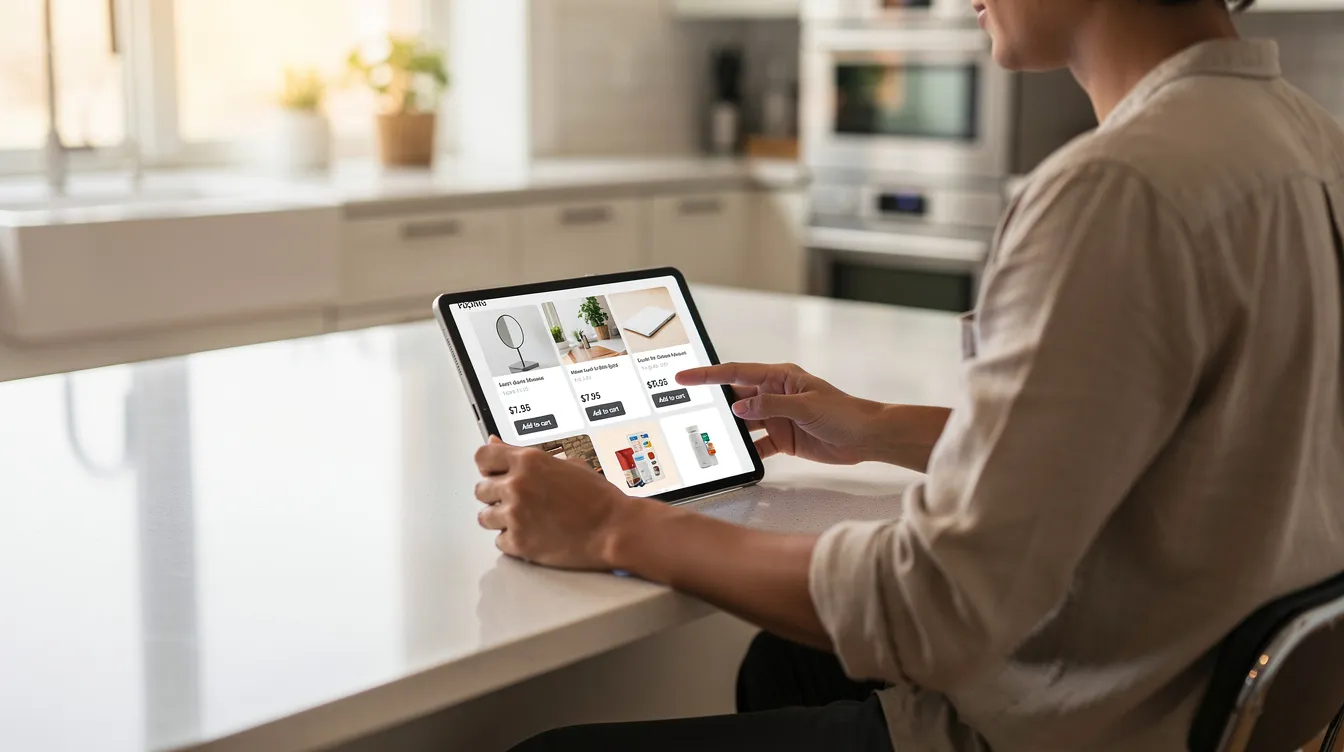
E commerce website packages bundle storefront design, product catalog setup, cart and checkout flows, payment setup, and tax and shipping logic into a revenue-generating system. Online stores require more features than informational sites, which is why ecommerce websites carry higher price tags.
Starter e commerce website:
-
Shopify or WooCommerce setup with a small product range
-
Product templates, category pages, and basic inventory management
-
Discount codes, order confirmation emails, and essential revenue analytics
-
Ability to accept payments through standard gateways
Growth-stage e commerce website:
-
Custom checkout flows, upsell logic, and advanced shipping and tax integrations
-
Larger catalogs with complex variant logic
-
Subscription and recurring billing support
-
CRM and email marketing integrations
Advanced or multi-vendor e commerce:
-
Headless commerce architectures
-
Multi-warehouse stock logic and inventory management across locations
-
Marketplace-style multi-seller features with vendor dashboards
-
Custom product configurators and advanced filtering
Each tier assumes increasing development costs, more extensive QA, and ongoing support needs.
SaaS, Marketplace, and Complex Web Platform Packages
This category is for businesses building a SaaS website combined with in-app portals, or marketplace platforms with buyers, sellers, and administrators.
-
SaaS website (marketing site only): a polished saas website with product pages, pricing tables, an integrations directory, and a blog.
-
SaaS site plus basic app UI shells: adds onboarding flows, dashboard shells, settings pages, and authentication.
-
Full-scale marketplace: custom workflows, messaging systems, and advanced search. Highly customized designs cost far more because of multi-sided user roles and dispute resolution.
When a project crosses into this territory, it is time to shift from website package thinking to full product development budgeting. Phased delivery, building an MVP first and then iterating, is the most effective way to control development costs on these platforms.
How Design Complexity Influences Design Cost and Package Tiers
Design complexity is one of the fastest ways to change a package price without adding a single page.
Basic and minimalist design:
-
Clean layouts with generous white space
-
Stock imagery or client-supplied photos
-
Standard typography and color palette
-
One or two design concepts and a couple of revision rounds
Enhanced and branded design:
-
Custom illustrations or icon sets
-
Branded photography direction
-
Interactive hover states and scroll effects
-
Light UX research such as competitor analysis
Premium and fully art-directed design:
-
Bespoke art direction with custom animations
-
Motion graphics and interactive storytelling
-
Deep UX research including user interviews and testing
-
Full creative direction by experienced web designers
Moving from basic to premium can raise the design cost a lot within a package for the same page count. Investing in premium design makes the most sense in competitive tech niches, luxury brands, or heavily conversion-optimized funnels where a professional designer’s work directly affects revenue.
Content Management System (CMS) Setup Inside Website Packages
Many professional website packages include configuring a content management system so non-technical team members can update pages, publish posts, and manage media without calling a web developer every time.
Common CMS options and their cost implications:
-
WordPress: Most widely used, per W3Techs. A WordPress website builder setup with a premium theme and essential premium plugins is a common baseline. Extensive custom post types add cost per content type.
-
Webflow: Visual builder with design flexibility. Setup costs depend on the number of templates and on complex filtering.
-
Shopify: A common choice for online stores. The CMS is tightly coupled to storefront features, which makes it efficient for stores but less flexible for content-heavy corporate sites.
-
Headless CMS: Decouples content from presentation. It adds flexibility but significantly increases development costs.
A well-planned CMS structure saves money long-term. When staff can update their own content and manage product listings without developer retainers, the ongoing maintenance cost drops. If you plan to edit the site yourself, skimping on CMS setup can be a false economy.
Website Packages by Team Type: In-House, Agency, or Freelance Team
Who builds your site shapes both the price and the experience. Here is how the three main delivery models compare.

In house team:
-
Hiring an in-house web development team means salaries, benefits, tools, and overhead all year
-
Best for companies with ongoing product evolution or frequent site updates
-
Offers maximum control but high fixed costs
-
Requires a project manager and clear internal processes
Agency (boutique or mid-size):
-
Brings multi-disciplinary skills: strategy, design, development, QA
-
Structured design process with defined milestones
-
Higher per-project cost but no long-term salary commitments
Freelance team or solo freelancer:
-
Often bills by the hour or by the project, and rates rise with experience
-
Flexible and often budget friendly, but team composition varies and clients carry more project management responsibility
-
Best found through freelance platforms or professional referrals
Matching model to need: if you are building a simple website with a clear scope, a freelance team can deliver excellent value. If your web design project involves multiple integrations, compliance requirements, or ongoing iteration, an agency’s structured process reduces risk. Reserve in house teams for businesses where the website is a core product, not just a marketing asset.
Business Size and Stage: How They Shape Your Website Package Choice
Your company’s stage determines not just how much you should spend, but what kind of website package makes strategic sense.
-
Micro-business or solo founder: Primarily needs credibility and lead generation. A simple website or polished template site with a handful of pages, contact forms, and basic SEO covers business goals. Focus on getting live fast.
-
Established small business: Needs a site that reflects maturity, with service pages, a booking system, or CRM integration. Consider a custom domain, professional email, and design services that match brand standards.
-
Funded startup: Brand differentiation is critical. Custom UX, marketing integrations, and app-like portals.
-
Enterprise: Multiple stakeholders, legal review, and internationalization across multi-year programs.
If you run a local shop, my page on websites for bakeries shows what a small business website can look like at this stage. Initial build quotes rarely cover the total cost of ownership after launch. At every stage, factor in ongoing support, hosting, and content updates when setting your budget, especially as your business grows beyond the initial scope.
Pricing Models Inside Website Packages: Fixed, Per-Page, and Hybrid
Understanding how providers structure their pricing helps you read proposals with sharper eyes.
Fixed project fee: A common model. The entire scope is defined and priced upfront. Expectations are clear, but change requests usually trigger additional fees.
Per-page pricing: Quotes broken out by unique template or page type. Home pages and complex service pages cost more than interior pages repeating existing templates. Useful when the page count is variable or phased.
Hybrid (base plus add-ons): The base fee covers essentials such as design, core pages, and CMS. Add-ons are priced separately: blog migration, extra language versions, custom calculators, inventory management modules, or advanced search. This is the most transparent model for clients with known must-haves and uncertain nice-to-haves.
Monthly subscription: Some studios offer bundled monthly plans covering design, development, hosting, and updates. These typically cost less upfront but may be more expensive over several years.
When reviewing proposals, check exactly what is included, how change requests affect cost, and what hourly rate applies to out-of-scope work. The lowest quote is not always the best deal if critical items are missing.
Hidden and Ongoing Costs Beyond Website Package Prices
Upfront development packages rarely cover the recurring expenses required to keep a site live. Here is what to budget for beyond the initial build.
Hosting: Web hosting typically costs a small monthly fee for shared plans. A virtual private server or cloud hosting runs higher, and a dedicated server for high-traffic sites costs the most. Choosing the right hosting provider and hosting plan matters for performance and uptime. Some packages include free hosting for the first year, but it rarely stays free.
Domain: Domain registration is billed yearly. Some builders include a free domain for the first year, but ongoing expenses often include domain renewals and hosting. A custom domain is essential for credibility.
SSL certificate: An SSL certificate is required for a secure site. Basic certificates are free through Let’s Encrypt, while premium or wildcard SSL certificates cost more.
Professional email: Professional email addresses are billed per user per month and are separate from web hosting.
Plugins, themes, and tools: Premium plugins for forms, SEO, security, or page builders often carry annual license fees.
Maintenance: Website maintenance depends on the frequency of updates, security patches, and content changes. Keeping your site up to date with CMS and plugin updates is non-negotiable for security. A yearly maintenance cost is normal.
The smart move: model your total cost of ownership over three years, not just the upfront package price. That context changes how you evaluate competing quotes.
Budget Friendly Strategies to Get More Value From Website Packages
You do not have to sacrifice quality to save money. Here are concrete tactics to stretch your website budget:
-
Start lean. Launch with a handful of core pages: home, about, services, contact, and one or two service detail pages. Add unique features and sections as your business grows and data shows what visitors need.
-
Use proven templates. A polished builder plan or premium theme gets you close to custom results for a fraction of the cost. This is the most cost effective path for many small businesses.
-
Prepare your own content. Write your own copy, gather testimonials, select images, and organize FAQs before the project starts. This cuts billable content-writing hours.
-
Prioritize must-haves. Separate need at launch from nice to have later. A phased approach keeps the initial investment manageable.
-
Request two options. Ask every vendor to present a lean package and a fully featured one, so you can trade scope for savings without sacrificing UX fundamentals.
-
Use component libraries. Providers using design systems can reduce design cost while maintaining consistency and professional quality.
-
Negotiate ongoing support separately. Bundle hosting and maintenance only if the rates are competitive with standalone providers. Sometimes you save money by choosing your own hosting provider.
How to Compare Website Package Quotes From Different Providers
Price alone is misleading. A cheap quote missing mobile responsiveness and an SSL certificate will cost more in the long run than a higher quote that includes both.
Key comparison points across proposals:
-
Number of unique pages and distinct templates included
-
Design rounds and revision limits
-
CMS training and documentation
-
Performance targets such as load time goals
-
SEO setup scope: meta fields, sitemaps, redirects, schema
-
Post-launch period of free fixes
-
Ownership: who keeps the rights to the website components after completion (design files, code, content)
How to compare effectively:
-
Build a simple table: provider, features, price, timeline
-
Normalize scope. If one quote includes copywriting and another does not, adjust accordingly
-
Ask each provider for recent examples of sites built in a similar package
-
Confirm what hourly rate applies if scope changes mid-project
-
Check whether the quote covers optimization basics for search engines or treats SEO as a separate engagement
The goal is a like-for-like comparison. Once you have leveled the playing field, the right provider usually becomes obvious. If you want me to quote your project, email me with your page list and goals.

Choosing the Right Website Package for Your Goals and Budget
The right website package is not the cheapest or the most expensive. It is the one that matches your current stage, supports your business goals, and leaves room for growth. If you are a solo founder launching your own website for the first time or an enterprise investing in a global platform, the same principles apply: define your scope clearly, understand the costs involved, and evaluate providers on deliverables rather than price alone.
Think in terms of return. A well-built site that generates leads, drives sales, or saves your team hours through a solid CMS pays for itself. A cheap site that needs rebuilding soon costs more in the end.
Your next steps:
-
Define your business goals and primary website purpose (leads, sales, credibility, recruitment)
-
List must-have features and nice-to-have features separately
-
Set a realistic budget range based on the tiers covered above
-
Request proposals from two to three providers and compare them on scope, not just price
-
Model total cost of ownership over three years before signing