Your spa website is the first treatment a potential client experiences. If the design feels cluttered, slow, or confusing, they leave before they ever see your treatment room. A strong spa website design in 2026 creates a relaxing online experience and makes booking easy. This guide breaks down seven effective design styles spa owners can use right now.
How to Evaluate the Best Spa Website Design Approaches
This article compares design approaches, not specific themes or templates. The goal is to help you identify which styles can help with bookings and client trust heading into 2026 and beyond.
My recommendations for day spas, med spas, resorts, and mobile therapists follow current UX and SEO best practices. Instead of a “top 10 templates” list, this guide describes effective design styles and strategies spa owners can choose from.
Here are six dimensions to use when you evaluate each approach:
-
User experience and conversions: Clarity of “Book Now” placement, online booking flow, visibility of phone or WhatsApp options, and ease of finding spa services and prices. Do not hide the booking button on spa and med spa sites below the first mobile scroll.
-
Visual storytelling: Use of photography, video, and color palettes to evoke calm, luxury, or clinical trust.
-
Mobile performance: How designs behave on phones, since many people open a spa website on mobile devices. Check Core Web Vitals before launch.
-
Content structure: How well pages explain services, duration, pricing, contraindications, and FAQs. A spa website needs a calming visual aesthetic and practical booking tools working together.
-
Trust elements: Reviews, credentials, awards, hygiene policies, and staff bios. Many spa clients check ratings before they book.
-
SEO foundations: Clean semantic markup supports SEO for spa websites. Fast, mobile-first performance can help search rankings for spa websites. Local SEO is crucial for capturing search traffic from potential clients nearby, and SEO practices should include location-specific keywords for better visibility. Essential features for spa websites include clear navigation and mobile optimization.
7 Best Spa Website Design Styles for 2026
Below are seven clearly distinct spa website design styles, each suited to a different kind of spa business. Judge each one by how directly it leads new visitors to bookings, based on the evaluation criteria above.
1. Minimal Luxury Day Spa Design
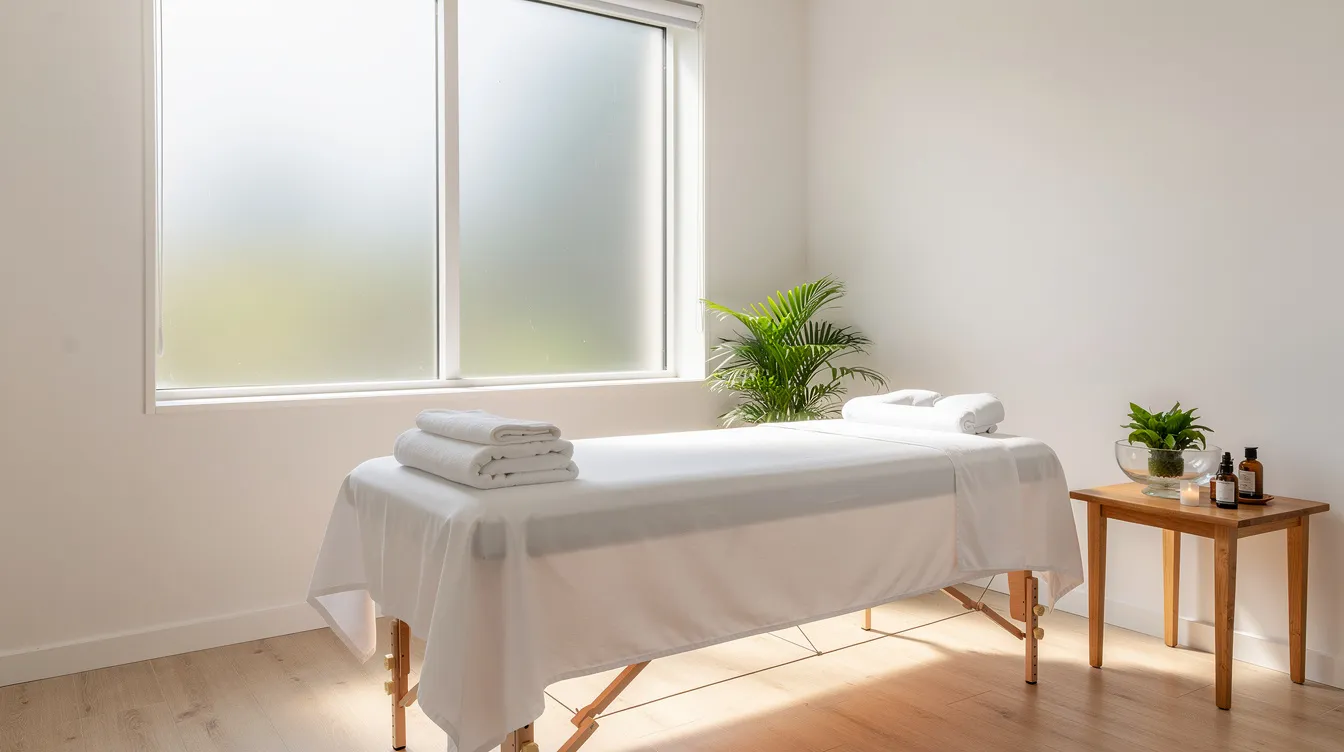
A clean, white-space-heavy design with soft neutrals, elegant typography, and hero imagery that instantly signals a high-end day spa. The home page structure is straightforward: a large hero image with one clear CTA like “Book Now,” concise intro copy, featured treatments or treatment packages, and a simple footer with contact details.
Spa websites should use calming color palettes for relaxation. Visual elements like color palettes, typography, and photography should reflect the spa’s ambiance. High-quality photography should showcase actual treatment rooms and staff, not generic stock images.
Why It Stands Out
This calming design reduces visual noise, making the booking path obvious and reinforcing a premium price point. White space does the heavy lifting. When a modern spa uses a beautiful website built around real interior photos, visitors immediately understand the experience they are paying for. Prominent “Book Now” buttons make it easier to book an appointment because nothing competes for attention.
Best For
-
Upscale urban day spas focused on massage, facials, and body spa treatments.
-
Spas targeting corporate professionals and weekend self care visitors in major cities.
Key Strengths
-
Supports high pricing by matching expectations of luxury hotels and boutique brands.
-
Easy to skim: most clients quickly see key treatments, packages, and booking options.
-
Works especially well with professional photography and short, refined copy.
Possible Limitations
-
Requires strong, authentic high quality visuals. Stock photos make the site feel generic.
-
May feel “too quiet” for spas that sell retail products or run frequent special promotions.
2. Clinical Med Spa & Aesthetics Design
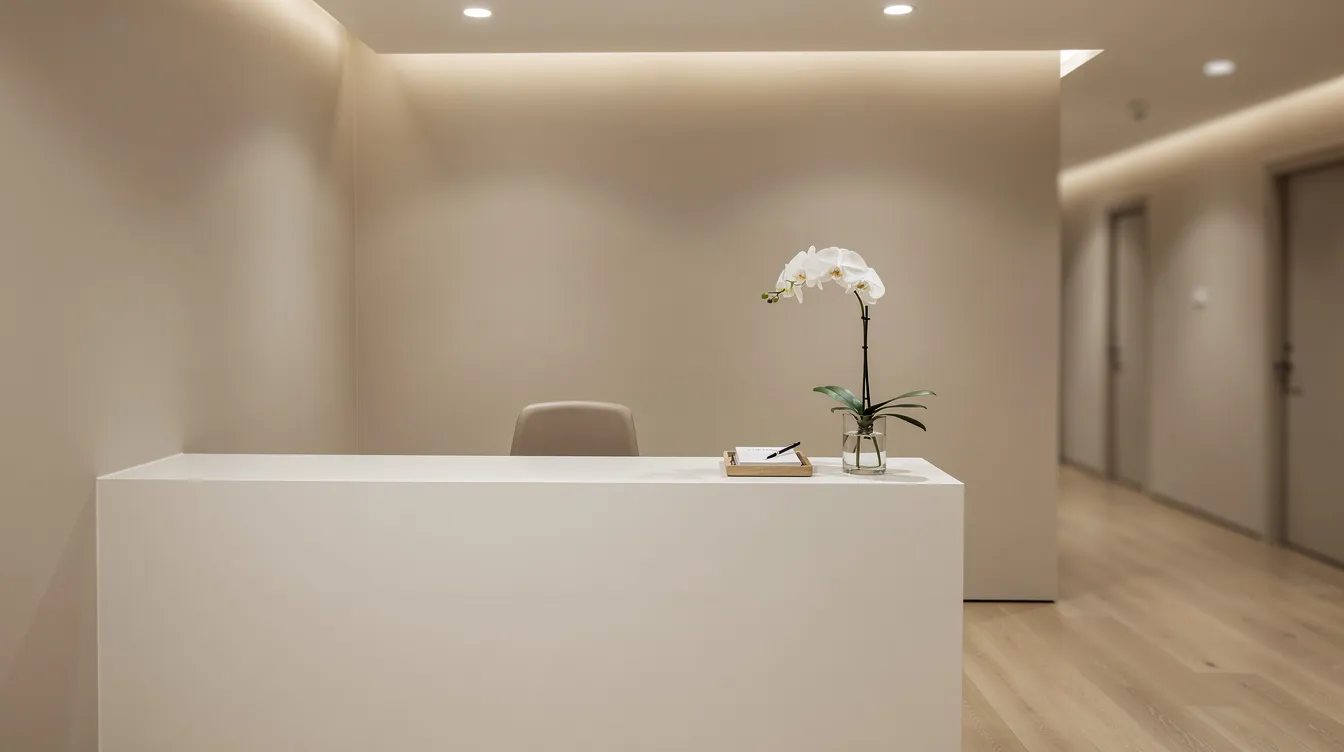
A clean, clinical layout using whites, cool grays, and soft blues to convey safety, hygiene, and medical expertise. Home sections typically include a hero with a treatment-based CTA, before-and-after slider, credentials display, safety statements, and financing or consultation info.
Why It Stands Out
This design balances approachability with clinical seriousness, ideal for injectables, laser treatments, and corrective skin procedures. Trust signals like practitioner credentials and safety information enhance user confidence. Social proof like testimonials and client testimonials should be prominently displayed, especially near booking CTAs.
Service menus should be organized around the benefits clients seek, not just technical terms. Transparent pricing and duration details must be included in service menus. Dedicated sections for service listings enhance user experience by helping potential clients compare specific treatments side by side, with treatment guides covering candidacy, downtime, and FAQs.
Best For
-
Med spas offering injectables, laser hair removal, skin tightening, and body contouring.
-
Clinics where physician oversight and medical qualifications are a major selling point.
Key Strengths
-
Structured service pages support complex treatment comparisons and FAQs.
-
Before-and-after image galleries and certifications build strong social proof.
-
Clear risk and safety information reduces pre-consultation questions so potential customers feel confident before they arrive.
Possible Limitations
-
Can feel cold if not balanced with human photography and warm microcopy.
-
More content-heavy; requires time to write in-depth treatment explanations and informative content.
3. Immersive Resort & Retreat Spa Design
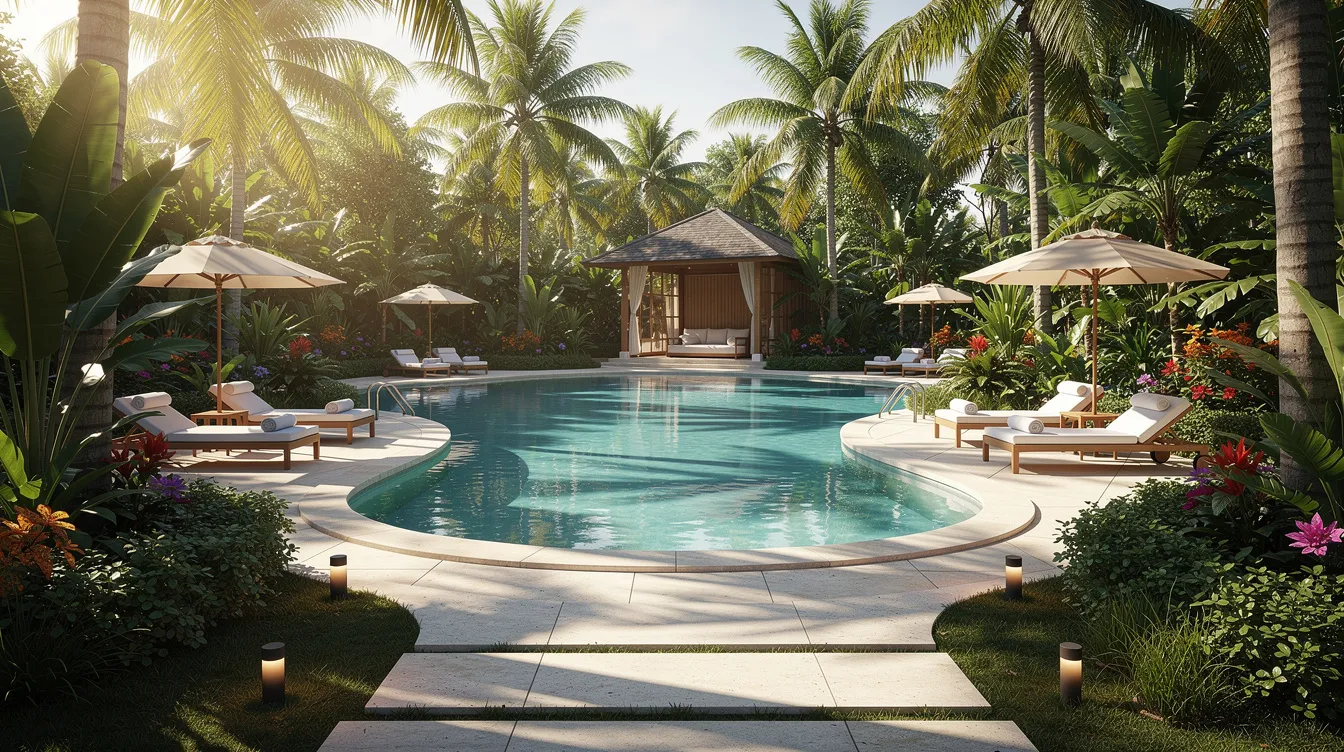
Full-screen photography and video of pools, gardens, suites, and treatment pavilions sell a complete escape, not just a massage. The home page features a cinematic hero, a scrollable story of the property, package highlights, and stay-plus-spa bundles.
Why It Stands Out
This design makes new visitors imagine themselves on a 2–3 day wellness retreat. It can support a higher average order value through bundled stays and experiences. The website should support both desktop and mobile browsing for convenience, since resort clients may research on desktop and book on mobile devices. High-quality images build trust and showcase spa facilities, and high-quality images help reflect the spa experience visually.
Best For
-
Destination spas, wellness resorts, and hotels with full spa facilities.
-
Retreat businesses offering 2–7 day wellness programs (detox, yoga, mindfulness).
Key Strengths
-
Visual storytelling sells the location, not just individual treatments. Smooth animations and cinematic transitions keep visitors engaged.
-
Supports seasonal campaigns, retreats, and group treatment packages.
-
Encourages visitors to stay longer and look at more of the property, which helps engagement.
Possible Limitations
-
Heavy visuals can slow page speed if not optimized, and that hurts Core Web Vitals.
-
Can distract from a simple “book a facial” goal if the design lacks clear calls to action.
4. Warm Massage Therapy Studio Design
Cozy, earthy colors like taupe, clay, and forest green, with a simple layout and clear descriptions of session lengths and pricing. The design focuses on reassurance, pain relief, stress relief, and therapist expertise, creating a relaxing environment online.
Why It Stands Out
This style answers core visitor questions fast: “What does it cost?”, “How long is a session?”, “Who will treat me?” A professional spa website should include essential pages such as services, about, and contact. A dedicated “Meet the Team” page enhances customer connection, letting massage therapists introduce themselves with friendly bios and credentials. Streamlined online booking handles recurring clients who schedule monthly or weekly sessions.
Best For
-
Solo massage therapists and small bodywork studios.
-
Spas focused on sports massage, deep tissue, prenatal, and therapeutic work.
Key Strengths
-
Simple build: fewer pages, a clear service menu, and straightforward forms. No coding skills needed with the right website builder.
-
Client testimonials build trust and credibility on spa websites, especially for first-time bookings.
-
An embedded Google map simplifies location finding for visitors. Easy to maintain for owner-operators without a marketing team.
Possible Limitations
-
Less suited to selling retail products through an online store or complex membership structures.
-
Might look basic if not enhanced with some branded visuals or iconography to avoid cluttered layouts.
5. Trendy Beauty Bar & Nail Spa Design
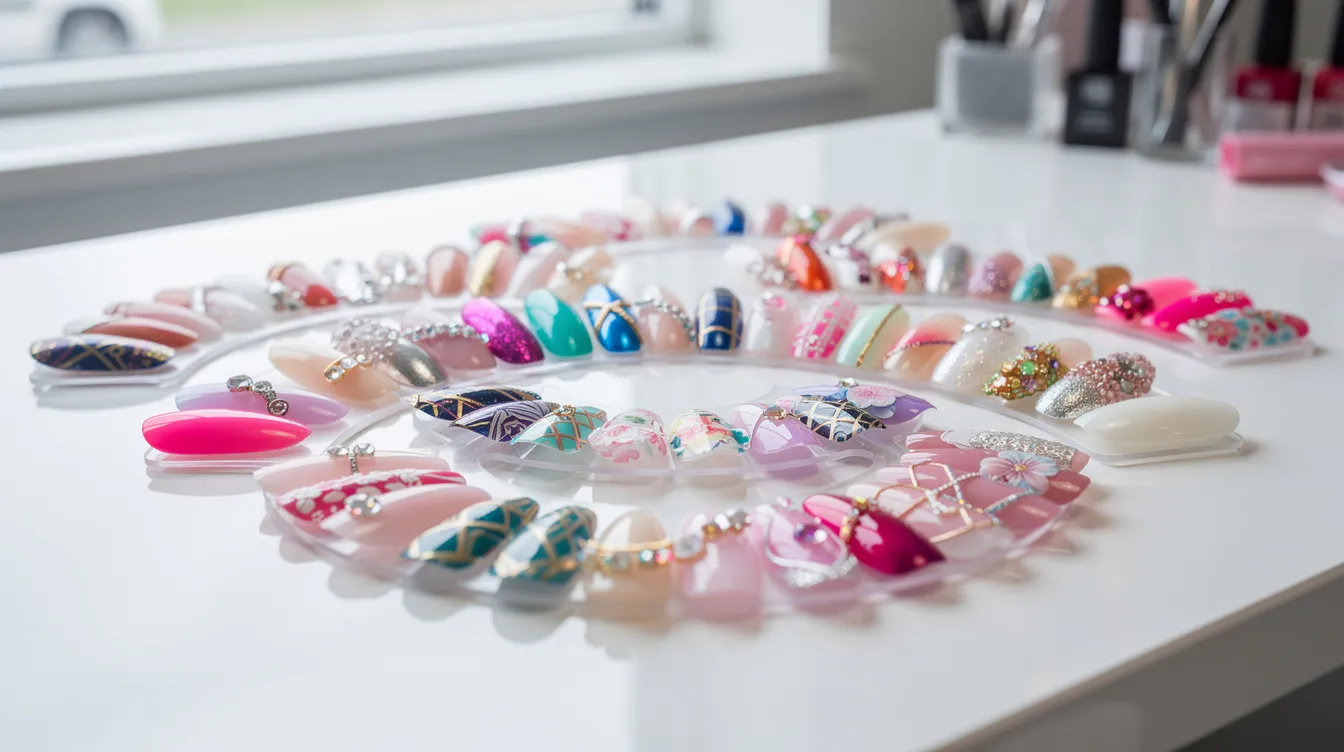
Bold colors, playful typography, and social-media-like grids showcasing nails, lashes, brows, and makeup. Design elements include Instagram feed integration, TikTok-style vertical videos, and quick “book by look” choices with social media links and social media icons prominently placed.
Why It Stands Out
This design appeals to younger, style-driven audiences who scroll fast and decide visually. It turns the spa website into an extension of Instagram and Pinterest. High-quality visuals are crucial for showcasing spa treatments in this style, as the entire customer experience revolves around aesthetics. High-quality images with alt text improve SEO for spa sites, allowing users to discover looks through search engines.
Best For
-
Nail bars, brow and lash studios, and glam-focused beauty salons and spa salon businesses.
-
Spas relying heavily on repeat local clients and word-of-mouth via social media.
Key Strengths
-
Visual service menu makes it easy to pick styles, sets, and add-ons.
-
Highly shareable designs that encourage screenshots and referrals, attracting new clients.
-
Perfect for promoting seasonal looks, flash sales, and influencer collaborations.
Possible Limitations
-
Can feel chaotic if the color scheme and typography aren’t carefully controlled.
-
Less appropriate for spas wanting a serene, meditative tone or a tranquil experience.
6. Integrated Wellness Center & Yoga Spa Design
A calm, nature-inspired design that combines spa services with classes, workshops, and therapies. The layout includes an integrated calendar, multi-practitioner profiles, and sections for memberships or passes. This theme focuses on community and ongoing wellness, not one-time visits.
Why It Stands Out
This design presents a complex offering of yoga studios, acupuncture, reiki, and massage in one coherent structure. Schedules, events, and wellness programs are central to this style, helping wellness centers communicate the full scope of their offerings. Regularly published content like wellness tips and blog posts can boost organic traffic for spa websites. Templates should support SEO optimization for better visibility, especially when targeting health businesses and the broader wellness industry.
Best For
-
Wellness centers offering multiple modalities and regular classes.
-
Community-based spaces that host events, circles, and recurring programs.
Key Strengths
-
Supports both one-off spa bookings and ongoing memberships.
-
Practitioner directory builds trust and helps match clients to the right therapist.
-
Blog or resources area works well for educational content and improved search engine visibility.
Possible Limitations
-
Requires disciplined content management to keep class schedules and events updated.
-
The navigation bar can become cluttered if too many offerings are added without clear grouping. Avoid cluttered layouts by using logical service categories.
7. Mobile & Boutique Pop-Up Spa Design
An ultra-simple, fast-loading design that prioritizes availability, location coverage, and quick contact details. Home content includes a clear tagline, service radius map, simple service list, and a “Request a time” form or WhatsApp CTA providing easy access to booking.
Why It Stands Out
This style removes every non-essential detail so clients can book from their phone in under a minute. A booking call to action should follow visitors down the page, ensuring the CTA stays visible. Responsive design ensures spa websites look great on all devices, and responsive design is essential for mobile-friendly templates. This matters because many spa clients browse on their phones. The site must be fully responsive across all screen sizes.
Best For
-
Mobile massage therapists and on-demand spa services.
-
Boutique pop-up spas serving hotels, corporate offices, and events, as well as massage parlors needing a quick web presence.
Key Strengths
-
Extremely fast to launch and update; ideal for small teams or solo owners. Mobile responsiveness is built in from the start.
-
Focused on core information: where you operate, what spa offers you have, and how to book through an online booking system.
-
Works well in low-bandwidth environments and on older phones. This user friendly interface keeps things simple.
Possible Limitations
-
Limited space for rich brand storytelling and galleries.
-
May feel too basic for established spas wanting to showcase full facilities.
Quick Comparison of the Best Spa Website Template Design Styles
Here is a scan-friendly summary to help you match your spa type with the right design approach.
| Design Style | Best For | Core Strength |
|---|---|---|
| Minimal Luxury Day Spa | Boutique day spa charging premium rates | Calm, upscale feel with clear booking |
| Clinical Med Spa & Aesthetics | Med spas emphasizing safety and credentials | Structured proof and credentials |
| Immersive Resort & Retreat Spa | Destination spas selling multi-day experiences | Visual storytelling and package bundling |
| Warm Massage Therapy Studio | Solo practitioners and small studios | Simplicity and recurring-client flow |
| Trendy Beauty Bar & Nail Spa | Style-led spas with social-media-active clients | Visual browsing and shareability |
| Integrated Wellness Center & Yoga | Multidisciplinary hubs with classes and therapies | Calendar, practitioner, and content depth |
| Mobile & Boutique Pop-Up Spa | On-the-go therapists needing a fast presence | Speed and minimal friction |
How to Choose the Right Spa Website Design for Your Business
Choosing a web design style should be driven by positioning, audience, and booking workflow, not just aesthetics. It is easy to start with a template that looks pretty, then wonder why bookings don’t follow. The next three decision factors will help you pick smarter.
A spa website template is a pre-designed starting point for wellness businesses that gives you a basic framework. Most spa website templates are mobile-friendly and responsive, and templates often include booking systems for easy client appointments. The right one depends on your spa’s needs, whether that means clear service menus, strong galleries, therapist bios, booking CTAs, or package sections. Spa website templates help build trust with customer testimonials sections built in. SEO-friendly templates can help spa websites rank higher on Google. The best spa website templates give you pre made layouts as a foundation, but the design style you choose matters more than the template itself.
Choose Based on Your Core Spa Positioning
Ask yourself: “Who do I serve?” and “What do I sell most?” A professional spa focused on corrective skin treatments needs a completely different design than a body spa selling relaxation packages. Map your top three revenue services and pick the design style that showcases those best.
If you create spa experiences around escape and ambiance, lean toward immersive or minimal luxury. If you run a clinic focused on skin treatments, go clinical.
Choose Based on Your Ideal Client and Price Point
Different styles attract different demographics. Corporate professionals respond to minimal luxury. Gen Z beauty fans gravitate toward trendy, visual layouts. Wellness retreat seekers want cinematic storytelling.
Choose a template that matches your spa’s brand style. Templates should include a clear booking button for appointments. Align design polish and tone with your pricing level so expectations match your rates and potential clients aren’t surprised when they walk in the door.
Choose Based on How Clients Prefer Online Booking
Some clients want a full online booking system with scheduling tools. Others prefer to tap and call. Consider whether your spa business needs a drag and drop website builder for quick updates, or a more robust system.
A booking call to action should stay visible on every screen. Test surfacing “Book Now” persistently versus hiding it in the menu, then track which approach converts better. High-quality visuals are crucial for showcasing spa treatments, and responsive design is essential to make everything work smoothly on mobile devices, allowing users to book without friction.
Which Spa Website Design Style Is Best for You?
There is no single winner. The right choice depends on your business model and growth goals. Here are direct recommendations:
-
Choose Minimal Luxury Day Spa Design if you run a boutique urban spa and want to justify premium pricing with a refined look.
-
Choose Clinical Med Spa & Aesthetics Design if your main focus is injectables, lasers, and specific treatments.
-
Choose Immersive Resort & Retreat Spa Design if your revenue comes from packages, retreats, and overnight stays at a wellness retreat.
-
Choose Warm Massage Therapy Studio Design if you are a solo therapist or small team building loyal, local clientele.
-
Choose Trendy Beauty Bar & Nail Spa Design if your spa thrives on Instagram, trends, and highly visual services.
-
Choose Integrated Wellness Center & Yoga Spa Design if you combine spa treatments with classes, workshops, and multiple modalities.
-
Choose Mobile & Boutique Pop-Up Spa Design if you visit clients at homes, hotels, or offices and need ultra-fast mobile booking. Free templates can get you started quickly.
Final Thoughts
Effective spa website design in 2026 is about clarity, calm, and conversion, not just pretty visuals. Sites that place booking CTAs before the first scroll, pair social proof with conversion points, and load fast on mobile make booking easier than those that just look nice. Even small improvements to page speed help visitors reach the booking button sooner.
Pick one design style from this list, implement a lean version first, then refine based on real booking data and client feedback. You don’t need a perfect site at launch. You need a clear one that makes visitors feel confident enough to book.
Investing in the right spa website design now positions your spa business strongly for evolving trends like virtual consultations, memberships, and wellness subscriptions. The wellness industry is moving fast. Your website should move your clients to action even faster.
If you run a wellness space with classes or memberships, see how I plan websites for gyms and fitness studios. You can also read how my pricing works or contact me by email with your spa and your goals.