What Is a “Design Services Website” and Why It Matters in 2026
A design services website is a site whose primary purpose is selling design-oriented services: web design, branding, UI/UX, graphic design, product design, or some combination of these. It is both a marketing asset and a conversion tool. The goal of a design services website is to turn visitors into paying clients by showing offerings, process, portfolio, and trust signals in a structured way. A design services website must act as a strategic sales tool, not just a pretty gallery.
Finding the right design services website can feel overwhelming. There are subscription platforms, boutique studios, enterprise agencies, niche specialists, solo freelancers, full-service shops, and template sites, all competing for your attention. Each model presents services, pricing, and portfolios differently, and the wrong pick can cost you months and real money.
There are two types of people searching for “design services website.” The first group is buyers: startup founders, marketing directors, and small business owners looking for a web design agency, web design company, freelancer, or subscription service to partner with. They want to evaluate fit, cost, and credibility fast. The second group is designers and agencies planning to build or revamp their own service site, looking for inspiration and best practices. This article serves both audiences.
Clients hire designers to solve business problems, not just for aesthetics. Effective web design can boost customer conversions, and web design services enhance website usability and visual appeal, which makes a strong design services website the first proof point a potential partner has. Here is what this article covers:
-
The seven best types of design service providers and their website models in 2026
-
How each type presents services, pricing, processes, and portfolios differently
-
A practical framework to choose the right design services website for your needs and budget
How to Evaluate the Best Design Services Websites
Rather than pick from a list of random agencies, judge design services websites against specific criteria that matter when you are hiring, or building, a service site. Here are the criteria to use:
-
Service clarity. How clearly the site explains what design services are offered (web design, branding, UI/UX, product design). Service offerings should be organized into clear categories for client understanding. Ambiguity in service offerings can cost design service providers leads.
-
Positioning and specialization. Whether the website communicates who it is for: startups, e-commerce brands, SaaS companies, local businesses, or enterprise organizations.
-
Portfolio quality and proof. Depth of case studies, visual examples, and real client names. The portfolio features high-quality images and project descriptions to showcase expertise. Structure your portfolio as mini-case studies that follow a clear narrative connecting problem to result.
-
Process transparency. How well the site explains steps, timelines, deliverables, and collaboration model. A clear design process helps clients understand what to expect after hiring you.
-
Conversion experience. Quality of calls-to-action, quote forms, and scheduling tools. Your homepage needs a clear value proposition, immediate visual proof, and a primary call to action. A frictionless lead capture process removes barriers for prospects to reach out.
-
Pricing transparency. Whether ballpark pricing, ranges, or packages are shown. Many sites hide this, creating friction.
-
Content and education. Presence of blogs, guides, or resources. Basic SEO practices help potential clients discover a design services business online, and content hubs build authority.
-
Trust signals. Client testimonials establish credibility and trust in design services. Social proof can reduce perceived risk and increase client trust. Logos, awards, and reviews all contribute, as long as they are real.
-
Technical performance. Page speed, responsive design for mobile devices, and accessibility basics. Web performance optimization can affect customer retention. Mobile support is important because a large share of visits comes from phones. Accessibility practices should be prioritized to ensure usability for all visitors.
A design services website should balance visual impact and effortless navigation. Flashy animations mean nothing if website visitors cannot find the information they need.
-
Only distinct, strong models of design services websites are included here, not every agency on the market.
-
Each type represents a genuinely different approach to selling design, serving different buyer profiles.
The 7 Best Types of Design Services Websites in 2026
Instead of a “Top 100 agencies” list that becomes outdated in weeks, this section highlights seven distinct models of design service sites. Each has its own strengths, trade-offs, and ideal buyers. The types reflect common patterns (subscription-based, boutique studio, enterprise agency), not affiliate picks.
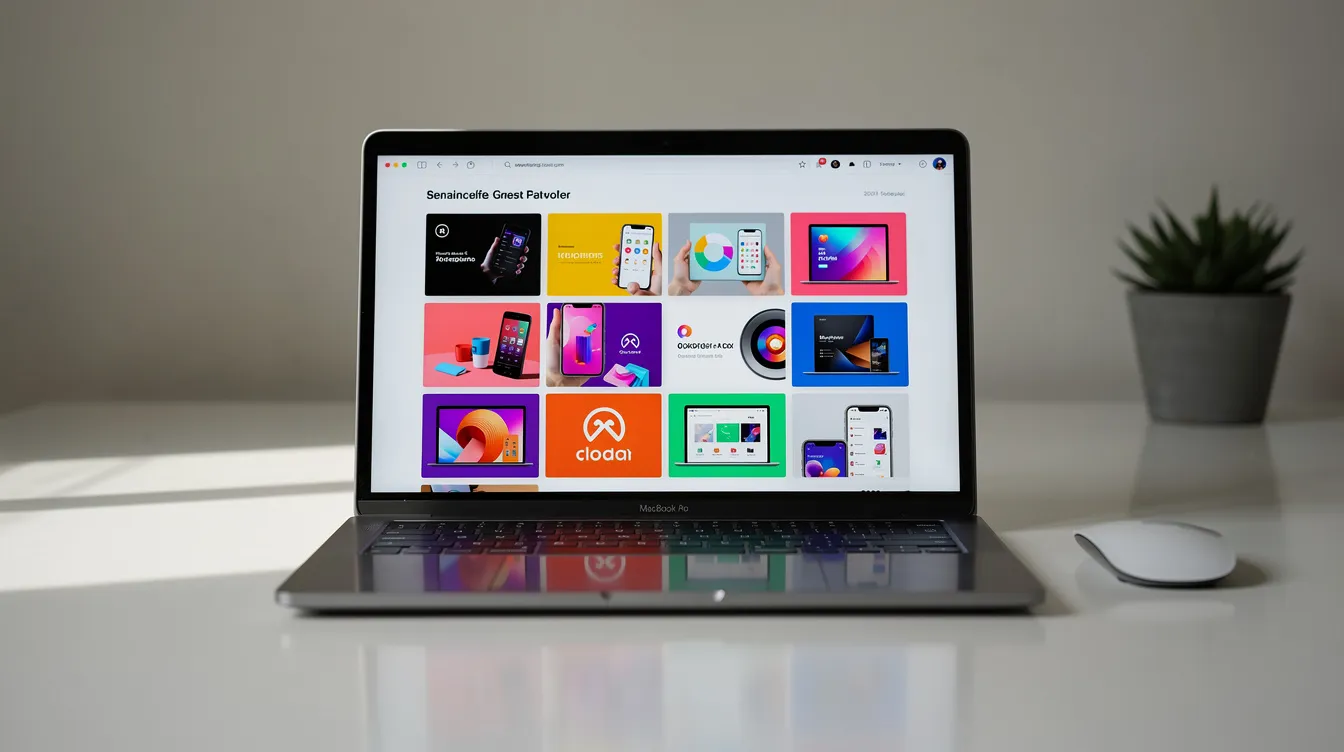
1. Subscription-Based Design Services Websites
Subscription-based sites sell ongoing design work, such as landing pages, UI updates, ad creatives, and brand collateral, for a flat monthly fee. You submit requests through a queue or portal, and designers deliver within a set turnaround window. Think of it as having a design team on retainer without the hiring overhead.
Why This Type Stands Out
These websites make predictable pricing their centerpiece. You will see plan comparison grids, visual “How it works” sections, and clear turnaround promises right on the homepage. Their pages organize information around speed and simplicity: request portals, revision policies, and galleries of recent output categorized by asset type. Some subscriptions also support WordPress based updates or page builds when clients need ongoing changes on an editable site.
Best For
-
Marketing teams shipping new landing pages and ad creatives every week
-
SaaS startups iterating UI and brand assets continuously without hiring full-time designers
-
Agencies needing white-label design capacity for overflow work
Key Strengths
-
Prominent pricing tables with a few clearly differentiated monthly plans
-
Dedicated “Design Queue” or “Request Portal” pages explaining workflow visually
-
Real-time examples gallery categorized by service type
-
Strong trust bar with recognizable client logos and short case snippets
-
FAQ-heavy footer sections answering scope and revision questions
Possible Limitations
-
Limited strategic discovery compared to high-touch agencies
-
Complex custom builds (enterprise platforms, custom functionality) often excluded in fine print
-
Quality can vary depending on assigned designer capacity and workload
-
Less suited for projects requiring deep brand strategy or user research
2. Boutique Design Studio Websites (Brand and Web)
Boutique studios, usually a small group of people, center their websites on brand identity, website design, and visually polished case studies. Their own site serves as both portfolio and style statement. Attention to detail keeps flaws out of website design, and these studios make that philosophy visible on every page.
Why This Type Stands Out
Boutique studios use their own sites as flagship design pieces: bold typography, storytelling, scroll-based animations, and narrative case studies. Many also build custom or lightly customized WordPress sites for clients who want a polished launch and easy post-launch edits. They differentiate through style niches, such as minimalist tech, editorial, or artistic, and demonstrate that a well-designed website can improve user experience and retention. Clients want to know they will enjoy collaborating for extended periods, and boutique studios build that trust through personality and craft.
Best For
-
Funded startups needing a brand plus website launch within a couple of months
-
Professional service businesses (law, consulting, architecture) prioritizing polished visual identity
-
D2C brands wanting visually led, conversion-conscious custom designed sites
Key Strengths
-
Deep case study pages with before-and-after visuals, metrics, and launch years
-
Process sections mapping research, strategy, design, and build with clear timelines
-
Emphasis on custom design rather than templates, shown via diverse layouts
-
Founder and design team sections that humanize the studio
-
Optionally, transparent project minimums
Possible Limitations
-
Limited capacity, with waitlists or booked months in advance
-
Less suitable for high-volume ongoing work like weekly graphics or micro-iterations
-
Higher per-project cost than freelancers or template options
3. Enterprise UX and Product Web Design Agency Websites
These sites focus on complex UX, digital product design, and research for large companies or scale-ups with mission-critical platforms. User experience and interface improvements are essential for optimal site operation at this scale, and these agencies make that their core message.
Why This Type Stands Out
Enterprise agencies emphasize UX research, product strategy, and design system governance. You will find sector-specific landing pages (fintech, health, logistics) with tailored examples and in-depth whitepapers or downloadable PDFs. Technical knowledge of programming languages helps web designers working at this level, and these sites often highlight their developer and engineering integration capabilities.
Best For
-
Enterprise teams with internal developers but limited UX capacity
-
Scale-ups redesigning mission-critical platforms (dashboards, portals, mobile apps)
-
Companies needing accessibility, compliance, and stakeholder management across a large system
Key Strengths
-
Dedicated “Industries” or “Solutions” sections mapping services to enterprise problems
-
Multi-layered case studies with research methods, wireframes, prototypes, and impact metrics
-
Thought-leadership blogs and events pages
-
Emphasis on long-term partnerships and design system governance
Possible Limitations
-
Very high project minimums, rarely listed but implied via language
-
Sales cycles are slower, with complex RFP and procurement processes
-
Overkill for small marketing websites or simple rebrands
4. Niche-Specialist Design Services Websites
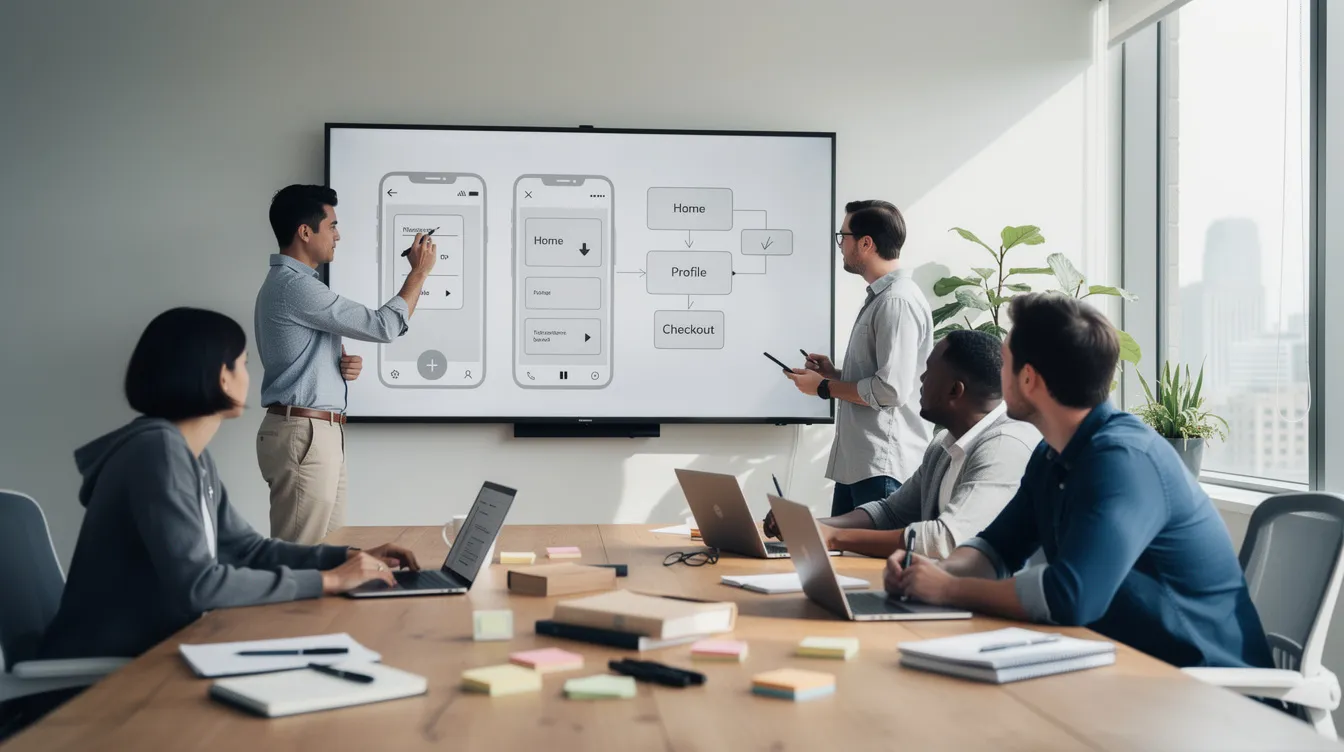
These agencies build sites solely for one vertical, such as SaaS, B2B, e-commerce, or hospitality, and their entire web presence reflects that focus. Every page speaks the language of a specific platform and audience.
Why This Type Stands Out
Niche sites speak directly to a narrow audience using domain-specific language, funnels, and design patterns. You will see recurring patterns like SaaS pricing pages, e-commerce product pages, and B2B lead funnels presented as “playbooks.” They connect visual design decisions directly to revenue outcomes.
Best For
-
VC-backed SaaS tools needing industry-standard but optimized marketing sites
-
Online shops prioritizing conversion rate optimization and A/B testing
-
Service businesses selling into specific industries (healthcare, legal, education)
Key Strengths
-
Use-case or industry navigation that routes website visitors to relevant examples instantly
-
Portfolio filtered by vertical with performance metrics
-
Checklists or resources showing what a high-performing site needs in a given industry
-
Clear connections between design decisions and qualified leads, revenue, or pipeline outcomes
Possible Limitations
-
Less flexible if you operate outside their preferred vertical
-
Design style may be more standardized and pattern-driven
-
May not include broader brand identity or offline graphic design work
5. Freelancer and Solo Designer Portfolio Websites
Solo practitioners or tiny teams build websites that function as both portfolio and storefront. The website designer is also the person doing the work: what you see is exactly what you get. I work solo too, and my pricing page shows the packages in plain view.
Why This Type Stands Out
Personal voice and direct contact with the web designer are front and center. These sites use clean, simple structures: Home, Work, Services, About, Contact. They showcase a small, curated set of projects, often with process details. Freelance designers are usually accessible for smaller scopes, and their stack can be a hosted tool or WordPress.
Best For
-
Small businesses needing a short brochure site or custom site
-
Nonprofits or local businesses with focused budgets
-
Startups seeking a UX or branding specialist for a defined scope
Key Strengths
-
Direct scheduling links on project inquiry pages, or a plain email address
-
Transparent pricing ranges or packages for common requests like logo design or landing pages
-
Personality-driven About pages with values, tools, and process snapshots
-
Simple, fast-loading layouts
Possible Limitations
-
Limited bandwidth for urgent or large multi-stakeholder projects
-
Risk of single point of failure (only one person involved in delivery)
-
Less likely to offer long-term maintenance contracts or round-the-clock response
6. Full-Service Creative Agency Websites
Full-service agencies present design as part of a wider mix: brand strategy, development, performance marketing, video, search engine optimization, and content production, all under one roof.
Why This Type Stands Out
Their navigation splits between branding, web design, paid media, SEO, content production, and WordPress pages. Case studies show integrated campaigns across channels: site launch plus ads plus social plus video. Their sites reflect broad project budgets with tiered service descriptions and global presence.
Best For
-
Companies wanting one partner for design, build, and marketing launch with the same team handling everything
-
Brands needing cross-channel campaigns (site plus ads plus social plus video)
-
Organizations planning multi-year digital transformation programs
Key Strengths
-
Service “hubs” that explain how web design integrates with strategy and media
-
Robust “Insights” or “Resources” sections with ongoing work published regularly
-
Clear evidence of large projects (global brands, complex ecosystems)
-
Detailed team sections highlighting multidisciplinary expertise and specialists working across disciplines
Possible Limitations
-
Higher retainers and setup fees due to broader team involvement
-
Risk that design-specific needs receive less focus than full-funnel campaigns
-
Less attractive option if you already have in-house marketing or developer teams
7. Template Design Services Websites
These sites sell design services in the form of templates, UI kits, and no-code setups rather than classic custom agency work. A website builder or a template site is the most accessible entry point for a small budget.
Why This Type Stands Out
They combine productized design (templates) with optional services: template shops for WordPress and other platforms. Many upsell “done-for-you setup” or customization packages. The emphasis is on speed-to-launch and affordability, letting you browse, preview, and buy in minutes.
Best For
-
Founders launching MVP sites in weeks, not months
-
Freelancers and agencies wanting high-quality starting points for client work
-
Small businesses on a tight budget needing modern visuals quickly
Key Strengths and AI Tools
-
Template galleries with live previews and mobile demos across interactive elements
-
Clear pricing per template and optional add-ons
-
Documentation, video walkthroughs, support channels, and sometimes AI tools that draft a first version
-
Filter and search tools by industry, specific platform, style, and conversion goal
Possible Limitations
-
Limited differentiation if many brands use the same template
-
Setup still demands time and basic design judgment to manage layout and content
-
Complex custom functionality may not be supported without extra dev help
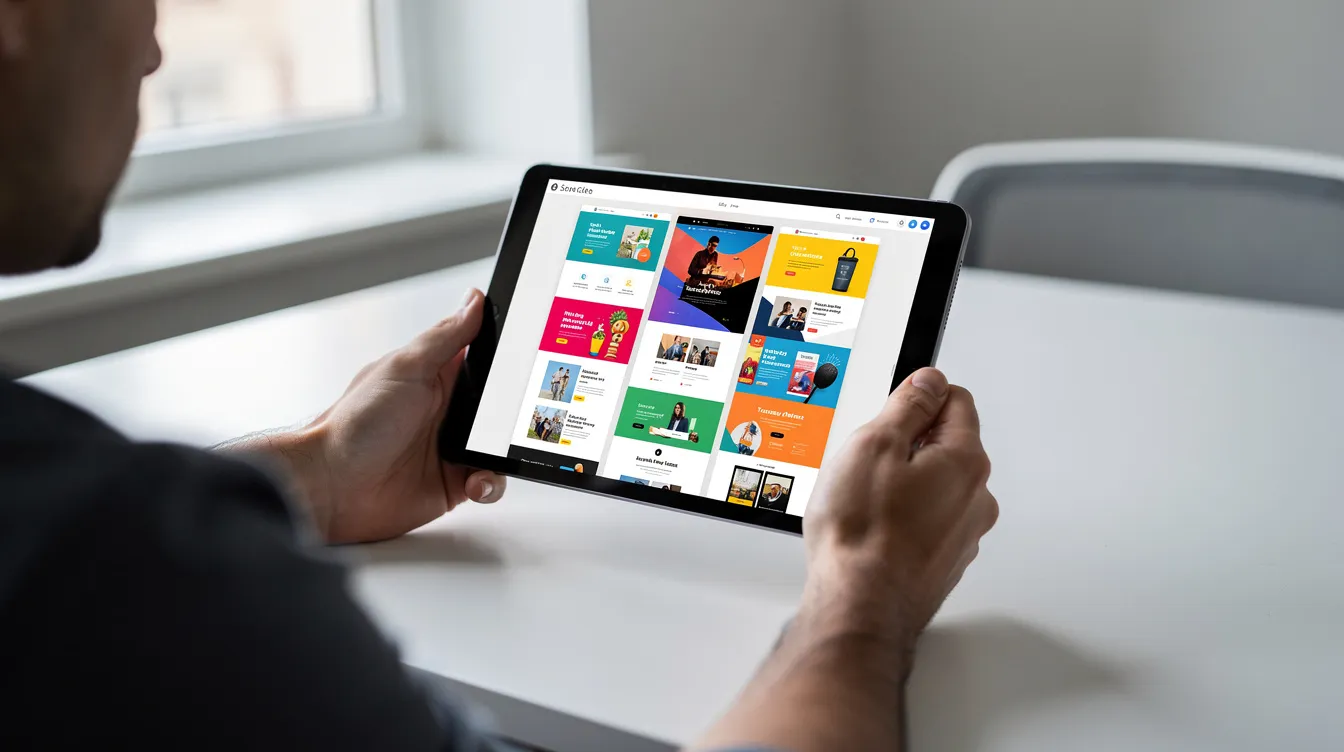
Quick Comparison of the Main Types of Design Services Websites
Use this section for quick scanning. Match the website type to your situation:
-
Subscription-based design services websites. Best for teams needing continuous new pages and assets each month. Costs vary depending on tier.
-
Boutique design studio websites. Best for memorable brand plus website projects with strong art direction and custom work.
-
Enterprise UX and product design agency websites. Best for complex platforms, apps, and multi-year UX initiatives requiring deep research.
-
Niche-specialist design services websites. Best for vertical-specific conversion performance in SaaS, e-commerce, or B2B.
-
Freelancer portfolio websites. Best for smaller, clearly scoped, budget-conscious projects.
-
Full-service creative agency websites. Best for organizations needing integrated design, development, and marketing from a single agency.
-
Template design services websites. Best for semi-self-service teams focused on speed and affordability on a tight budget.
How to Choose the Right Design Services Website for Your Project
The right choice depends on scope, budget, timeline, and internal capabilities, not on which agency has the flashiest homepage. Most agencies will tell you they can handle anything, but the reality is that fit matters more than features.
Choose Based on Project Scope and Complexity
Small brochure sites and complex SaaS platforms require completely different partners. Here is how to map scope to provider type:
-
Simple marketing site of a few pages: freelancer, boutique studio, or template plus light customization
-
Product and brand overhaul with strategy: boutique studio or full-service agency
-
Large app redesign or multi-role UX work: enterprise UX or niche product design agencies
-
Ongoing asset creation (ads, social, new pages): design subscription services
Choose Based on Budget and Pricing Structure
Costs vary depending on the type of partner and project complexity. Ask every provider for a written scope and a price before you compare. Here is how budgets map to provider types:
-
Small budget: templates, selective freelancer help, or a customization package
-
Mid budget: strong freelancers, small studios, or subscription services for a few months of ongoing work
-
Large budget: established boutiques or full-service agencies for strategic redesigns that create a true custom site
-
Very large budget: enterprise and specialized UX or product design agencies handling complex digital product builds
Choose Based on Internal Resources and Timeline
Your in-house skills (copywriting, development, marketing) affect which model works best. Custom builds usually take weeks, not days, and the count depends on how fast you send content.
-
If you have in-house developers: design-only services or design subscriptions may be ideal, letting your own team handle implementation
-
If you lack tech and marketing teams: full-service agencies or studios that include build plus launch support, secure hosting, and WordPress maintenance
-
Fast deadlines: subscription services, templates plus light customization, or small freelancers who can manage turnaround
-
Longer timelines: deeper discovery and custom work from studios or agencies, with time to plan content, assets, and, for a store, inventory management
Your business goals should drive the decision. Companies needing search engines to find them will want a partner who understands SEO. Those focused on customers converting on product pages need a partner versed in usability and conversion design.
Which Design Services Website Model Is Best for You?
Every project is different. Here is a decision-oriented summary to help you narrow your shortlist:
-
Choose a subscription-based design services website if you need predictable, ongoing design output every month without managing individual contractors.
-
Choose a boutique design studio website if you want a distinctive brand and site that can anchor your marketing for years, which is true visual identity work.
-
Choose an enterprise or product design agency website if your main challenge is complex UX across apps, dashboards, or platforms requiring specialists working together.
-
Choose a niche-specialist design services website if you want proven patterns and benchmarks in your specific industry to generate qualified leads.
-
Choose a freelancer portfolio website if your project is small, focused, and you value direct collaboration with a single web designer.
-
Choose a full-service creative agency website if you need strategy, design, development, and promotion from a single partner who can maintain your site long-term.
-
Choose a template design services website if speed and low upfront cost outweigh custom strategy, especially when you can browse and launch quickly.
Final Thoughts
There is no single “best” design services website, only better or worse fits for specific business goals, timelines, and budgets. The web design market keeps changing, with AI tools accelerating production, no-code tools lowering barriers, and design subscription models reshaping how companies buy creative output.
What will not change is the importance of evaluating providers beyond surface-level visuals. Look at service clarity, positioning, process explanation, and proof of outcomes. A design services website that clearly explains what it offers, who it serves, and how it delivers will usually serve buyers better than one that relies on trendy animations and vague promises. Study how they present design files, manage client communication, and structure their layout for usability.
Shortlist three to five providers. Run their sites through the criteria in this guide. Ask about their process, their approach to responsive design, how they handle search engine optimization, and what happens after launch. The companies that answer clearly and show relevant case studies, not just impressive visuals, are the ones worth hiring in 2026 and beyond.
If a small local business is what you run, look at how a bakery page can be structured, then contact me by email with your project.