Choosing between website design packages can feel overwhelming, especially when every provider seems to promise the same thing. The difference between a site that drives results and one that collects dust often comes down to one decision: picking the right package for your specific business needs. This guide covers what custom website design packages include, how scope and cost work, and how to avoid the most common buying mistakes.
Custom Website Design Packages Explained
A custom website design package is not just a theme with your logo swapped in. It is a bundled service where design, development, content management, and often marketing setup are combined into a single engagement with clearly defined deliverables. Web design packages cater to businesses with different needs and budgets, helping them choose the right level of support. Website design packages also simplify the web design process by giving buyers a structured scope rather than an open-ended hourly arrangement.
This stands in contrast to template based design, where a pre-built layout gets minor cosmetic changes. Custom website design packages differ in tailored design and ongoing support, because every layout, user flow, and content structure is built around your goals. Website design packages vary by features, services, and customization levels, but the defining trait of a custom approach is that strategy drives the build, not the other way around.
Custom packages can bundle:
-
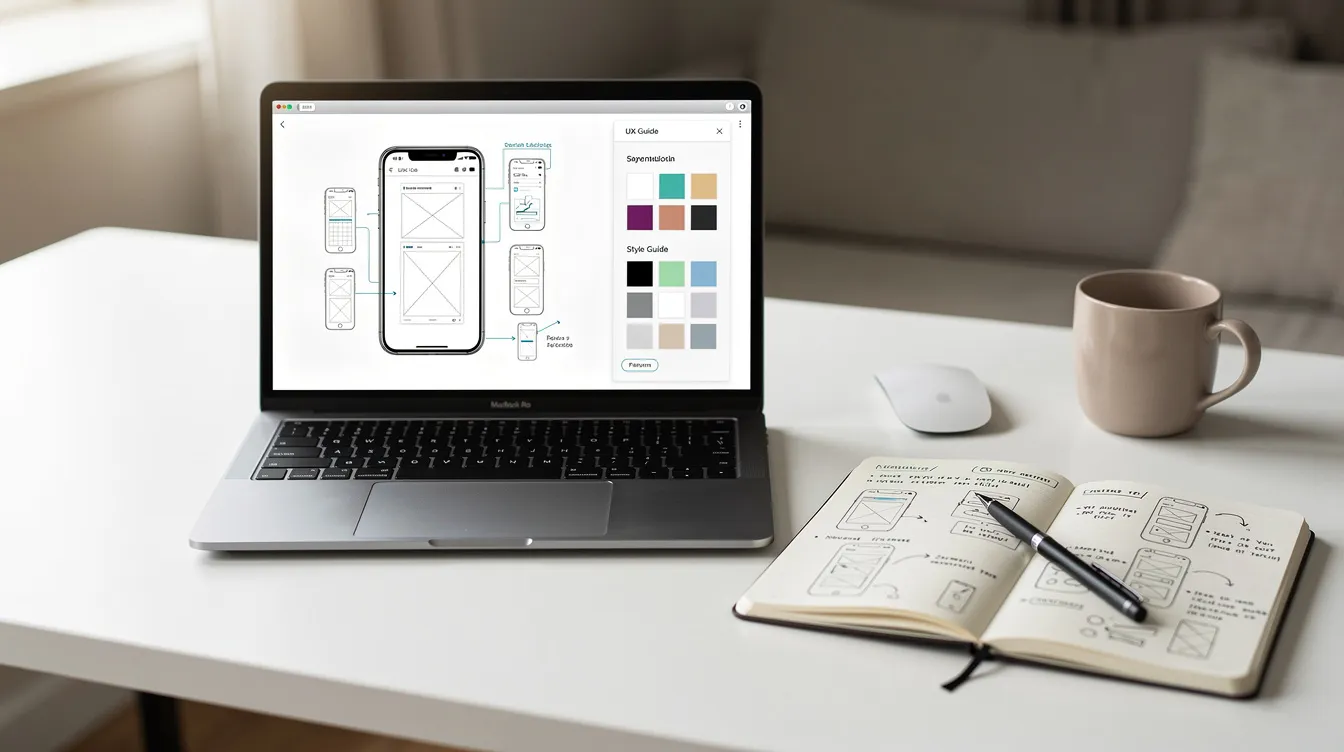
UX design and wireframing
-
Front-end and back-end development
-
Content creation and migration
-
E commerce integration and payment setup
-
Search engine optimization foundations
-
Ongoing support and post launch support
Bundling services often costs less than buying each one from different vendors. Typical buyers include small businesses upgrading from a website builder, professional services firms looking to generate leads, and local retailers expanding to online sales. For example, florists often need a catalog plus ordering flows. In practice, web design packages suit companies that need more than a digital brochure.
What Is Included in a Custom Website Design Package?
Inclusions vary by provider, so never assume two packages with the same label deliver the same thing. Always request a detailed breakdown before agreeing to anything. Packages should clearly outline included features and potential hidden costs.
Core inclusions you should expect:
-
A discovery step covering business goals, target audience, and a competitive review
-
Sitemap and information architecture
-
Custom design: wireframes, mockups, visual elements, typography, and color palette
-
Front-end and back-end development with responsive design
-
Basic content management setup, if the site runs on a content management system
-
Testing across browsers and mobile devices
-
Launch support: domain configuration, hosting, and SSL
Common optional add-ons:
-
Content creation: homepage copy, service pages, and basic graphic design assets
-
Digital marketing setup: analytics, conversion tracking, and a cookie banner
-
SEO foundations: metadata fields, URL structure, and XML sitemap generation
-
Custom integrations: CRM forms, booking systems, and API connections
Many packages include ongoing technical support and regular updates, either as part of the deliverable or as an optional retainer. Full ownership rights are crucial when selecting a website design package, so confirm that you own the code, content, and design assets after the project wraps.
Some packages also cover training so non-technical staff can update the site after launch, which reduces long-term developer dependency.
Types of Custom Website Design Packages (Starter, Growth, Advanced)
Think of tiered design packages as levels that match where your business is right now. Custom design packages range from basic setups to complex builds, and picking the wrong tier is one of the fastest ways to waste budget. The tiers below describe the market. My own are on my pricing page: static sites without a content management system or an online store.
Starter Package
Basic packages suit small businesses that need simple websites. A starter custom website package covers a handful of pages for freelancers, solo consultants, and local service providers. It includes a custom design homepage, an about page, services, and a contact form. Basic packages rest on template based design foundations with meaningful customization layered on top, and they skip complex e commerce or multi-system integrations.
Growth Package
These packages suit growing businesses. A growth-tier package usually spans more pages and adds a blog or resource section, basic e commerce or booking functionality, integrations with email marketing tools, and more refined user interface design. Packages provide scalable features for future growth, so you are not forced into a full rebuild a year later.
Advanced Package
Advanced packages offer extensive customization and e commerce integration. These cover large page counts, product catalogs, subscription or membership workflows, custom dashboards, and complex API connections. Premium packages are for established brands that need deep custom functionality and unique designs.
Each tier still uses a custom website approach. The difference is scope and complexity, not the underlying philosophy.
Why Choose a Custom Website Instead of a Template-Only Site?
A custom website is about aligning design and technology with your specific business needs, not just aesthetics. A well designed website supports visually appealing and user-friendly pages, but the real advantage is strategic: every page, flow, and interaction is designed to support your positioning and conversions.
Differentiation and brand identity:
-
Customization options allow alignment with your brand identity, from typography to layout to messaging
-
In crowded markets such as legal, health, or consulting, a custom design with tailored UX builds trust that templates cannot replicate
-
A good package can strengthen credibility with potential customers who compare you against competitors
Practical gains:
-
Faster performance, because custom code avoids the bloat of unused theme features and plugins
-
Better SEO structure from day one, with clean URLs and proper heading hierarchy
-
More flexible content management than rigid off-the-shelf themes
Risk reduction:
-
Fewer plugin conflicts and dependency issues over time
-
Better security practices and cleaner upgrade paths
-
A template-only site may cost less upfront, but redesign and maintenance costs accumulate
A custom business website is a long-term asset. Treat it accordingly.
Essential Features Every Custom Website Package Should Include
Regardless of provider or tier, there are essential features every buyer should insist on. Use this as a checklist when evaluating any web design packages.
-
Mobile responsiveness: A responsive design is necessary for a good experience across devices. Adaptive layouts for phones, tablets, and desktops with touch-friendly navigation are non-negotiable.
-
Performance optimization: Image compression, lazy loading, script minimization, and caching enhance user experience and load speeds. Fast loading times matter for effective SEO optimization.
-
Basic SEO setup: Basic SEO is essential for improving search engine visibility. This includes clean URL structure, on-page fields (titles, meta descriptions, alt text), XML sitemaps, and schema markup readiness.
-
Accessibility: Build to accessibility guidelines: keyboard navigation, color contrast, and readable text.
-
Security: SSL certificates, HTTPS, basic hardening, and regular backups should be standard even in basic packages.
If a package skips any of these, ask why before you sign, no matter how polished the design mockups look.
Custom Website Packages and Mobile Responsiveness
Mobile responsiveness affects conversions and can affect search engine visibility. A large share of web traffic now comes from mobile devices, and ignoring mobile visitors is not an option.
A custom website built with responsive design should include:
-
Fluid grids that adapt to any screen width
-
Touch-friendly buttons with adequate size and spacing
-
Optimized navigation on small screens
-
Responsive images that load appropriately sized files per device
-
Scaled typography that stays readable without zooming
Responsive testing across major devices and browsers should be part of the package scope. Google uses mobile-first indexing, meaning the mobile version of your page is what gets indexed and ranked. If your site performs poorly on mobile devices, your search engine results can suffer regardless of how good the desktop version looks. A poor mobile experience can negatively impact user experience and push bounce rates up.
Content Management Systems and Content Management in Your Package
Content management is central to many custom website design projects because websites are living assets. Blog posts need publishing, products need updating, and landing pages need creating. Without a content management system, small changes go through the developer. That is how my own static sites work: you send the change by email, and paid changes are quoted in writing first.
A content management system such as WordPress with a custom theme can form the backbone of content workflows. Integration simplifies website content management and gives your team autonomy.
What your CMS setup should include in the package:
-
Structured content fields and reusable page blocks
-
User roles and permissions
-
Media management for images and files
-
Drafting and publishing workflows
-
Training notes or a live session for your team
A well-configured CMS reduces reliance on developers for everyday content changes, which saves long-term budget and speeds up your time to market.
E Commerce Integration in Custom Website Design Packages
There is a meaningful difference between having a buy button and having deeply integrated e commerce tailored to your business needs. E commerce integration is crucial if you want to sell products online, and a custom approach ensures your store works with your operations, not against them.
Standard e commerce integration features:
-
Product pages with structured catalogs
-
Shopping carts and checkout flows
-
Secure payment gateways set up for your chosen provider
-
Tax calculation and shipping rules
-
Order management and inventory management
E commerce packages support online sales and include payment gateways at minimum, but custom features can go much further.
Advanced options:
-
Subscriptions and recurring billing
-
Membership access and gated content
-
Custom integrations with fulfillment or accounting systems
E commerce integration should tie into email marketing, analytics, and reporting tools to track visitor interactions across the sales funnel.
Industry examples:
-
A local retailer might need inventory syncing, local pickup options, and simple shipping rules.
-
A digital product business might need license management and secure download delivery.
The right e commerce package adapts to your model rather than forcing you into a generic checkout template.
Aligning Design Packages with Specific Business Needs
The best design package depends on the business model, not on generic trends.
Lead-generation businesses such as consultants and law firms need strong landing pages, strategically placed forms, trust signals, and CRM integrations that capture and route leads. The goal is to generate leads, not to sell products online.
Content-led brands need robust blogs, resource hubs, flexible content templates, and a scalable content management system that supports a long-term content strategy.
Brick-and-mortar businesses often prioritize maps, opening hours, local SEO signals, and simple booking or inquiry flows. Their target audience is often searching on mobile devices with local intent, so speed and simplicity matter more than feature depth.
A custom business website should be built around your customer journeys, not a provider’s default template. Define your business goals first, then match them to the right website design package.
Working with a Freelance Web Designer vs an Agency Package
Both a freelance web designer and an agency can deliver quality custom website design, but the experience and trade-offs differ.
Freelance web designer pros:
-
Often a lower cost for simple projects
-
Direct communication with the person doing the work
-
More flexibility for smaller projects
-
Vetting designers based on previous work helps ensure quality and reliability
Agency package pros:
-
A broader skill set across the team
-
A dedicated project manager who coordinates timelines and deliverables
-
A documented web design process with predictable phases
-
More post launch support and ongoing maintenance options
Common gaps to watch for with both models:
-
Unclear scope: who provides content, images, and hosting?
-
No plan for ongoing support or technical assistance after launch
-
Missing training for the content management system
-
Vague timelines without milestones
-
Managing multiple vendors, or even a single provider, without written deliverables leads to confusion
Whether you hire a freelance web designer or an agency, always ask for a written breakdown of the design package deliverables and responsibilities.

Digital Marketing, Analytics, and SEO Inside Custom Packages
A new website without digital marketing is like a storefront on a street with no foot traffic. A successful website is built as a marketing asset from day one, not treated as a static brochure you add SEO to later.
Baseline digital marketing solutions that many packages include:
-
Analytics setup with basic event tracking, such as form submissions and button clicks
-
Google Search Console verification
-
Conversion tracking and goal configuration
-
Cookie and privacy notices
How the custom website supports future campaigns:
-
On-page SEO fields, blog structure, and landing page templates enable search engine optimization at scale
-
SEO features and a clean architecture improve visibility in search engine results and support organic traffic
-
Internal linking structures support keyword optimization and search engine visibility
Extensions worth considering:
-
Email marketing platform integration
-
Remarketing pixels once you run ads
-
Social sharing tags
-
Advanced SEO: schema markup and structured data
Analytics and reporting tools track visitor interactions, giving you data to improve design and content rather than guessing. Basic SEO should never be an afterthought. It should be built into the custom web design from the start, and conversion optimization follows from there.
Content Creation Options Within a Custom Design Package
Design alone does not convert visitors. Content creation is frequently the bottleneck that delays launches and weakens results. A functional website needs words and visuals that speak to potential customers.
Typical content creation services bundled in packages:
-
Homepage and about page copywriting
-
Service or product page descriptions
-
A starter set of blog posts aligned with keyword research
-
Photography guidance or stock asset sourcing
-
Graphic design for icons, banners, or social assets
Ongoing blogging and large-scale product descriptions are usually additional services. Content should be aligned with keyword research and customer journeys to support both SEO features and conversion.
Confirm who is responsible for content, you or the provider, before the project kicks off. Unclear content ownership is a common reason custom website projects stall.
A strong content strategy paired with a custom design turns a professional website from a digital brochure into a tool that attracts, engages, and converts your target audience.
How Custom Website Design Packages Are Priced
Pricing for custom website design varies with scope, technical requirements, and expertise, not just page count. A cost effective solution is not always the cheapest option. It is the one that delivers the most value over time. Hobby sites can run on a tiny budget, but a business-critical project needs a real plan.
Common pricing models:
-
Fixed-fee design package: One price for the full project, paid in stages or, as on my sites, once after you approve the finished site
-
Phased project: Strategy and discovery priced separately from build and launch
-
Monthly subscription: Ongoing maintenance and support after launch, priced per month
Choosing a package helps avoid hidden or spiraling costs because deliverables and pricing are defined upfront. Add-ons like e commerce integration, custom web applications, multilingual content, or complex content migrations can raise the total. Always look for transparent proposals listing deliverables, timelines, and payment terms. For my own numbers, see my pricing page.
Timeline: How Long Custom Website Design Packages Usually Take
Clear phases and realistic timelines are key factors for a custom website project. Clear communication matters more than any other single variable.
Typical project phases:
-
Discovery and strategy: business goals, audience, sitemap
-
UX and visual design: wireframes, mockups, revisions
-
Development: front-end, back-end, CMS configuration
-
Content population: copy, images, media
-
Testing and QA: browsers, devices, performance
-
Launch and post launch support
Common factors that slow projects down:
-
Late content delivery from the client side
-
Expanding scope after design begins
-
Third-party integration delays
-
Delayed feedback or approval cycles
Build in time for QA and revisions so there is less pressure at launch. A seamless user experience requires thorough testing, not a rushed go-live.
Common Mistakes When Buying a Custom Website Design Package
The biggest problems usually come from unclear expectations, not technology failures.
Mistakes to avoid:
-
Choosing solely on lowest price. A hobby sites budget applied to a business-critical project leads to corners cut on mobile responsiveness, SEO optimization, security, and performance.
-
Ignoring mobile responsiveness. Assuming any modern design is automatically mobile-friendly is dangerous. Ask for explicit responsive testing.
-
Failing to plan content management workflows. Who writes content? Who approves it? Without answers, launches drag.
-
Underestimating long-term needs. Not planning for e commerce integration, multilingual content, or membership features can mean a costly redesign later.
-
Overlooking ongoing support and maintenance. Websites need ongoing support to stay functional and secure. Without it, your site degrades.
-
No ownership clause. Confirm you own the code, design, and content.
Consider your future maintenance needs when selecting a web design package. The right package is a multi-year business decision, not a one-off expense.

Key Takeaways: Selecting the Right Custom Website Design Package
The right package aligns with your business goals, budget, and internal capabilities. There is no universal best, only what is best for your situation.
Selection criteria recap:
-
Essential features: mobile responsiveness, performance, basic SEO, accessibility, and security
-
Content management: a usable content management system your team can operate on its own, if you plan to edit often
-
E commerce integration: matched to your selling model
-
Ongoing maintenance: budget for it, plan for it, and put it in writing
-
Scalability: pick a foundation you can build on
-
Advanced SEO and digital marketing solutions: build them in from day one
Before requesting quotes:
-
Define your business needs and map your customer journeys
-
List the custom features and advanced features you need versus those that are nice to have
-
Prepare a simple requirements document so web design packages from different providers are easier to compare
-
Confirm who handles content creation, search engine optimization setup, and ongoing support
A well designed website built from the right website design package is one of the strongest investments a business can make. When you are ready, send me a note with your requirements and I will reply by email with a scoped plan for your new website.