Introduction: Why Combined Branding and Website Design Packages Matter in 2026
In today’s world, your brand and your website are inseparable. A potential customer’s first impressions of your company happen in seconds, on a phone screen, in a search result, or through a social media post. If your logo says one thing and your website says another, you have already lost ground. That is why bundling brand identity work with web design into a single project can be a practical route to a polished, credible online presence.
When the logo and the site are designed together, every touchpoint reinforces the same message. Combined branding and website design packages deliver exactly that: a fixed-scope solution covering brand strategy, logo, colors, a brand style guide, plus website strategy, design, and build.
I build websites only: I do not sell logos, brand identity, or online stores, so read this as a buyer’s guide. If you already have a logo and colors, I design the site around them. This article breaks down what is included in these packages, how the package tiers differ, how the branding process works from discovery to launch, and how to choose the right creative partner. Whether you are launching a new brand, scaling a local business, or refreshing an established identity, you will know how to find the right package for your stage and goals.
Brand and website in one package can mean fewer handoffs and a more consistent first impression.
What Is a Branding and Website Design Package?
A branding and website design package is a bundled offering where you purchase brand identity creation and a custom website together as one project. Your logo, color palette, typography, and overall visual identity inform every page of your site from day one, with no retrofitting and no mismatched elements.
Website packages can combine branding and design elements for cohesion, and packages include foundational brand strategy and visuals. The result is a unified presence across your site, social media, print materials, and beyond.
Here is an illustration: a small e-commerce startup could order a single package that includes a primary and secondary logo, a brand style guide, a custom designed online store, product page templates, and email newsletter templates, all designed as one system rather than piecemeal.
Key components of a combined package typically include:
-
Discovery and competitive research (audience definition, competitor research, positioning)
-
Brand identity creation (logo suite, colors, typography, icon style)
-
Visual assets (social media templates, business card designs, print mockups)
-
Website strategy (content hierarchy, user journeys, sitemap)
-
Website design and development (responsive, mobile friendly, CMS-based)
-
Launch support and basic SEO setup
Branding Package Essentials: What You Actually Get
A modern branding package is far more than a logo file. It is a complete toolkit that equips your business to show up consistently across web, print, social, and advertising.
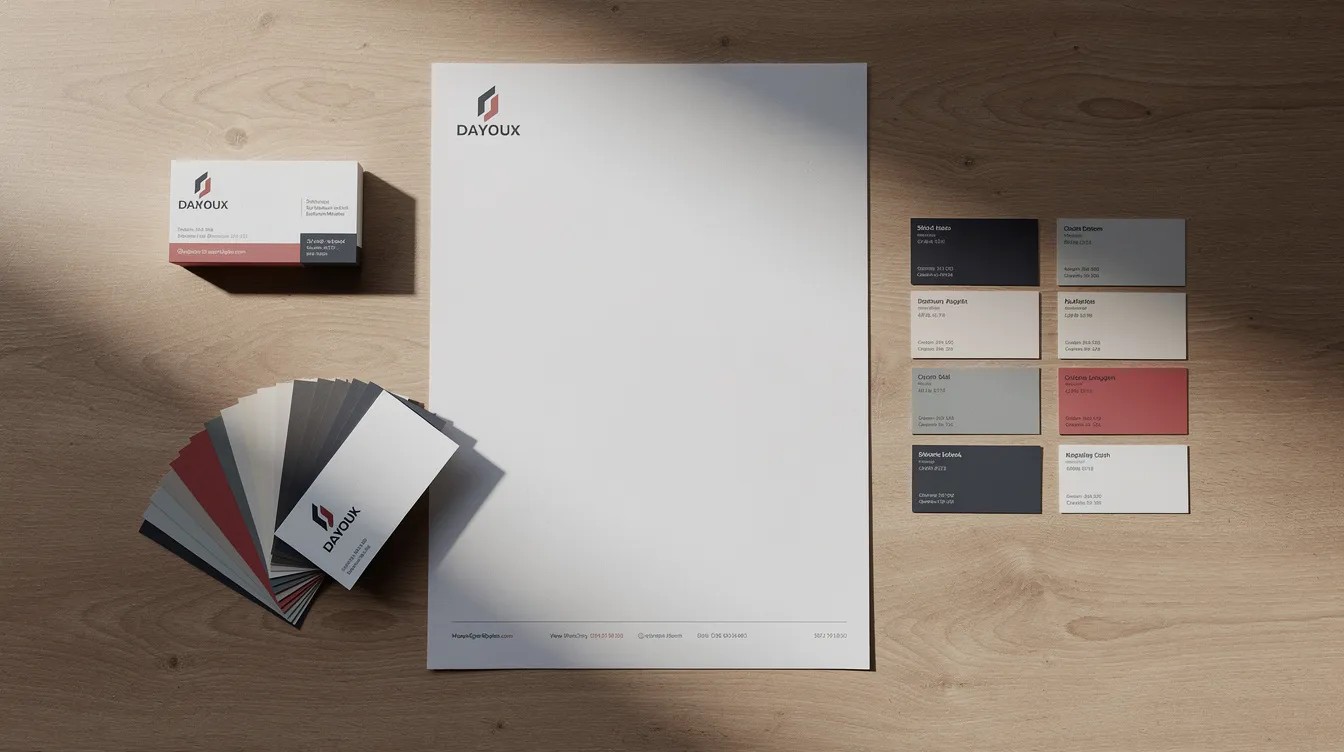
A comprehensive branding package includes logos, color palettes, and typography. Visual identity includes logo design and brand style guidelines. Branding packages often include typography and color palettes alongside iconography and layout samples.
Typical deliverables in a full branding package:
-
Primary logo plus variations (horizontal, vertical, symbol-only)
-
Secondary logo or monogram and a favicon
-
A complete color palette with primary and secondary colors defined in HEX, RGB, and CMYK values
-
Typography stack including web-safe and premium font selections
-
Icon style or a custom icon set
-
Imagery direction (photo filters, composition rules, illustration style)
-
Sample layouts for social media posts, marketing materials, and print collateral like a business card
-
Deliverable file formats: SVG, EPS, PNG, PDF, and source files (AI, PSD)
A branding package includes a logo suite with variations, and this matters because a mark has to work everywhere, from a mobile favicon to a billboard. Multiple lockups make that possible.
The Brand Style Guide: Your Rulebook for Consistency
The brand style guide is the bridge between your brand identity and your website design. Designers, developers, copywriters, and marketers all rely on it. A brand style guide ensures consistent brand representation across platforms, and a brand style guide ensures consistent use of visual identity whether you are building a landing page, designing an ad, or briefing a freelancer.
A 2026-ready brand style guide should include:
-
Logo usage rules: correct and incorrect applications, minimum clear space, prohibited distortions
-
Color palette with readable contrast between text and background
-
Typography specifications for web and print, including fallback fonts and type hierarchy (headings, body, captions)
-
Image and photography guidelines: subject matter, composition, filters, tone
-
Iconography specifications if applicable
-
Tone of voice: brand’s personality keywords, sample messaging, dos and don’ts
This guide protects your investment. When you add new products, build campaign landing pages, or create pitch decks, the style guide keeps every piece visually and tonally aligned. Without it, inconsistency creeps in fast.
Website Design Packages: From Starter Sites to Full Custom Builds
Website design packages are fixed-scope sets of services that typically include strategy, UX, UI design, responsive development, content management system setup, and launch support. Website design packages vary by features and services included, and custom website design enhances brand differentiation and functionality.
Many providers structure their web design packages into at least three levels:
-
A basic informational site (a few pages, template-based or lightly customized)
-
A growth-tier business site (more pages, custom layouts, conversion-focused elements)
-
A premium, fully custom website with advanced functionality (e-commerce, memberships, integrations)
When branding is bundled with web design, every component, from navigation labels to button styles, hero sections, and form fields, reflects your brand colors and typography. The result is a visually appealing, functional site that feels like a natural extension of your identity, not a patched-together afterthought.
How branding decisions translate into website components:
-
Logo placement and navigation design
-
Hero section imagery and color treatment
-
Button and form styles using brand colors
-
Hover states and interaction patterns reflecting brand tone
-
Consistent typography from headlines to footer links
Typical Package Tiers: How Branding and Web Design Scale Together
Small business branding and website design packages have tiered levels. Here is how those tiers typically break down, with scope that can vary depending on the provider:
Starter Tier
-
Simple brand identity: logo with basic variations, color palette, font selection
-
Concise brand style guide
-
Small website: a handful of pages, template or semi-custom design
-
Mobile friendly, responsive layout
-
Basic SEO features (meta tags, alt text, page titles)
-
Best for: solo entrepreneurs, consultants, local businesses launching their first site
Starter website packages typically include a few pages and basic SEO. Think of this as a starter kit: lean, functional, and designed to be expanded later.
Growth Tier
-
Full brand identity: logo suite with variations, expanded color palette, typography system
-
Robust brand style guide with usage examples
-
A custom or semi-custom website with conversion-focused design and more pages
-
Blog or resources section, possibly copywriting support
-
Custom features like booking forms, lead capture, or basic e-commerce integration
-
Best for: scaling local businesses, regional service providers, growing e-commerce brands
Premium Tier
-
Deep brand strategy: positioning, messaging pillars, full visual system (custom illustrations, photography direction, extended asset library)
-
Full-site build: e-commerce capabilities, membership features, advanced custom development
-
A large site with many pages, potentially multilingual
-
Performance optimization, advanced SEO, custom UX research
-
Best for: funded startups, SaaS brands, high-volume e-commerce aiming for national or international reach
Choosing the right package depends on your business stage and goals. The package tier you select should reflect where your business is today and where it is heading over the next year or two.

Core Website Deliverables in a Branding and Web Design Package
Every website design package should deliver a clear set of outputs. Here is what many providers list when branding and web design are bundled:
-
Sitemap documenting page hierarchy and content plan
-
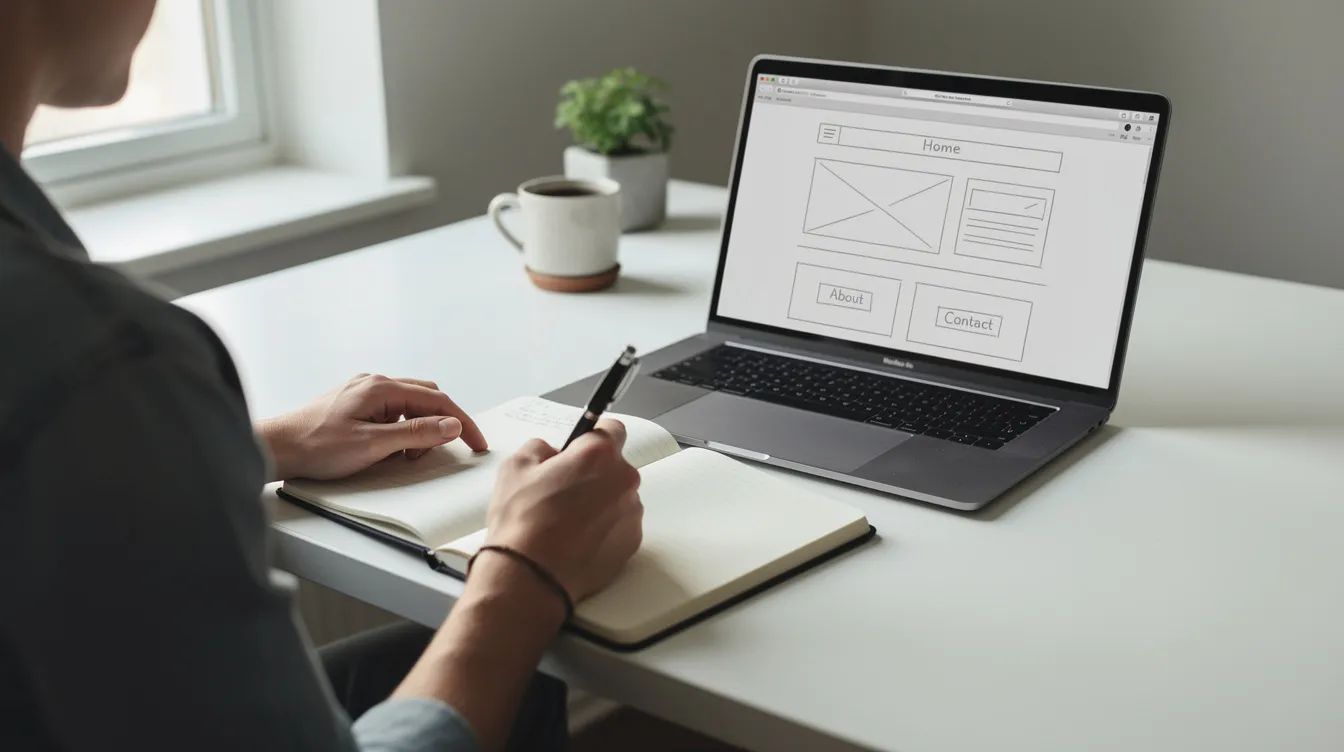
Wireframes showing layout structure for key pages
-
High-fidelity visual designs for desktop, tablet, and mobile devices
-
Responsive development ensuring the site works across screen sizes, because mobile responsiveness is crucial for user experience in web design
-
Content management system setup (WordPress or similar), if the provider builds on one, so you can manage content after launch
-
On-page SEO basics: meta tags, descriptions, alt text, URL structure. Basic SEO is foundational for website visibility and an effective online presence
-
Analytics integration
-
Domain registration guidance, hosting setup or migration
-
Cross-browser testing and launch support
How branding ties into each deliverable:
-
Navigation labels use brand language and tone
-
Buttons, forms, and CTAs reflect brand colors and typography
-
Imagery follows the style guide’s photography or illustration direction
-
Microcopy aligns with the brand’s personality and voice
Must-have pages for most businesses in 2026: Home, About, Services or Products, Blog or Resources, Contact, and dedicated landing pages for paid campaigns.
Integrating E-Commerce and Conversion Strategy
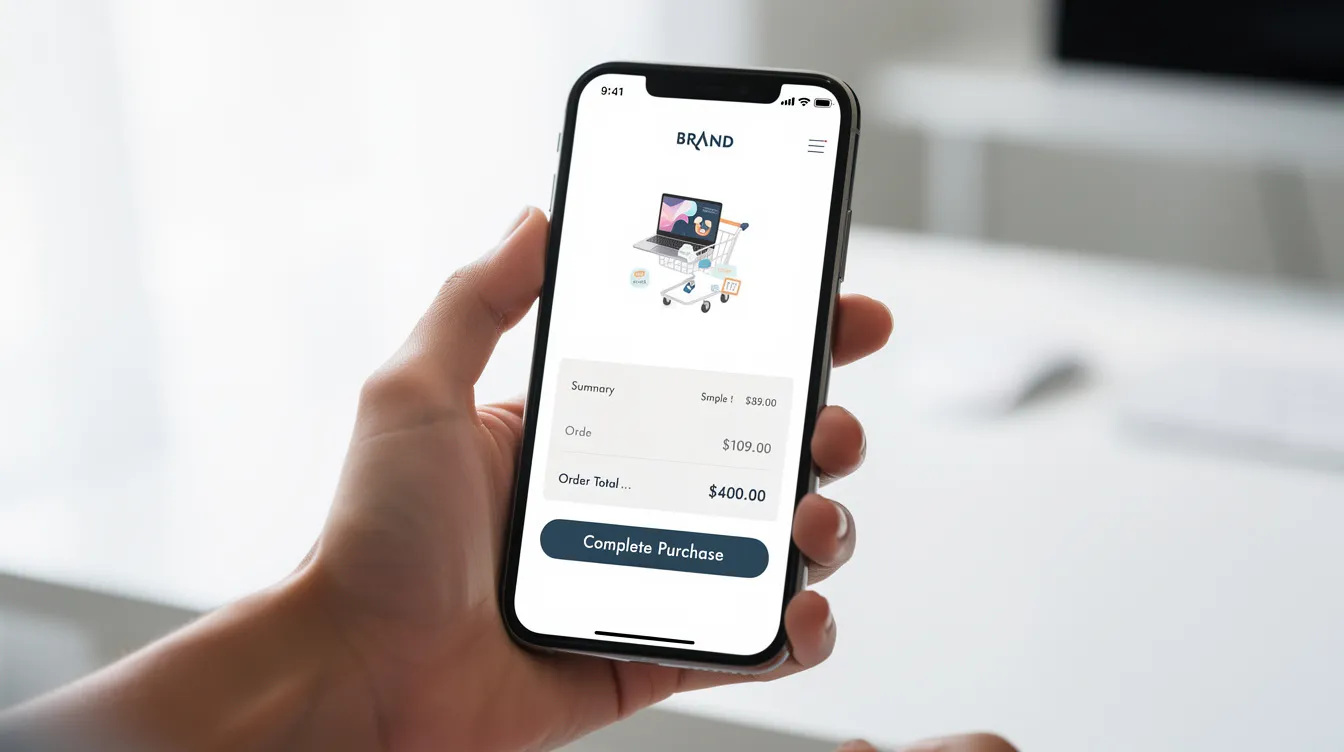
For businesses selling products online, branding and UX work together to drive trust and online sales. Consistent brand colors on add-to-cart buttons, professional product photography that follows the style guide, and reassuring microcopy (return policies, security notices) all reduce friction and generate leads more effectively.
Typical e-commerce features within a design package:
-
Product listing and detail page templates
-
Cart and checkout flows designed per brand identity
-
Account and order history pages
-
Confirmation and transactional emails matching the brand style guide
-
E-commerce integration with secure payment gateways
-
Inventory management setup
-
Shipping and returns information pages
-
Product filters and search functionality
As an illustration, consider a skincare brand launching an online store through a bundled branding and design package. Because the product pages, checkout flow, and post-purchase emails all share the same typography, colors, and imagery style, the experience feels seamless. This consistency builds the kind of trust that turns first-time buyers into repeat customers. Such a package includes integration of payment gateways, review widgets, and trust badges, all styled to match.
The Branding Process: From Discovery to Launch
Understanding the branding process helps you plan timelines and set expectations. Here is how a typical combined project flows:
Step 1: Discovery and strategy. Define your target audience, positioning, and messaging pillars, and conduct competitor research. These decisions directly shape site architecture, content hierarchy, and visual direction. This is where brand strategy lives, and startups should prioritize strategy and scalability in their branding packages.
Step 2: Visual exploration. The designer presents logo concepts, color directions, and typography options. You see how different approaches express your brand’s personality.
Step 3: Refinement and style guide production. Finalize the logo, lock in brand colors, complete the style guide. This must happen before the bulk of the development process begins, so every design decision is rooted in final brand specs.
Step 4: Website design. Wireframes and high-fidelity layouts are created for key pages. You review desktop and mobile layouts, with feedback rounds built into the timeline.
Step 5: Development and testing. The site is built on the chosen platform, responsive across mobile devices, integrated with necessary tools, and tested across browsers.
Step 6: Launch and post-launch support. Final checks, domain pointing, and go-live. A good partner provides post launch support to address any issues that surface in the first days after launch.
A bigger brand project takes longer than a small one, and client delays such as slow feedback or missing content extend any timeline.
A project manager typically coordinates this timeline, keeping deliverables on track and ensuring feedback loops do not stall the project. On a small project, that person is simply the one who builds it.
What Drives the Price of Branding and Website Design Packages?
The final price of a combined package comes down to several key cost drivers:
-
Strategic depth: A project with deep discovery, messaging, and competitor research costs more than one that skips straight to visuals
-
Number of deliverables: More logo versions, custom illustrations, social media templates, and marketing materials increase scope
-
Website complexity: E-commerce capabilities, membership portals, custom back-end work, and multilingual support all add cost
-
Content volume: Number of pages, copywriting, photography, or video production
-
Speed of turnaround: Rush timelines increase the final price
-
Ongoing support and maintenance: Hosting, performance optimization, and SEO included in the package
Prices range from a freelancer’s essential website design packages, through mid-range business website design packages, to enterprise website design packages that cost far more. These different packages serve businesses at varying price points, from a solo consultant to a multinational brand. Because every provider counts scope differently, ask each one for a written scope before you compare.
My own prices, for websites without branding work, are on the pricing page, with the scope and the price confirmed by email before any work starts.
Investing more upfront in cohesive branding and web UX often prevents costly rebrands and full rebuilds later. Think of the initial spend as protection against unexpected costs down the road.
Why These Packages Are Worth the Investment
A well designed website paired with a strong brand identity is not a vanity project. It is a revenue driver. Brands benefit from cohesive visual identity and user experience across every customer touchpoint.
Branding packages help build customer trust through consistency. Businesses with unified branding tend to look more reliable than those with fragmented identities, and a visitor decides quickly.
Key outcomes bundled packages aim for:
-
Higher conversion rates from a site that feels professional and trustworthy from the first click
-
Stronger brand recognition in a crowded market, because your visuals become memorable
-
Streamlined marketing operations: every new campaign starts from a consistent foundation
-
Competitive advantage over businesses using generic templates with no brand cohesion
-
Reduced bounce rates from a fast, mobile friendly, visually appealing design and good site speed
-
Long term success through a platform that supports business growth across ads, email, and sales
A unified package becomes a compounding asset. Every ad, email, social post, and pitch deck benefits from the same design system, which means your brand gets stronger with every touchpoint rather than diluting itself.
Ongoing Maintenance and Long-Term Support
Launching your site is not the finish line. Ongoing costs may include maintenance and hosting fees after launch. Websites need regular attention to stay secure, fast, and aligned with your evolving business needs.
Website ongoing maintenance includes:
-
Security updates and CMS and plugin upgrades
-
Performance monitoring and site speed optimization
-
Backups and hosting management
-
Design tweaks for seasonal promotions, new offers, or A/B testing
-
Content updates to keep the blog and resource pages fresh
Brand maintenance looks like:
-
Periodic audits of how visuals and messaging are used across channels
-
Updating the brand style guide when the business pivots or the target audience shifts
-
Creating new templates for emerging platforms or formats
Typical maintenance pricing models:
-
Monthly retainer, depending on scope
-
Prepaid blocks of hours, used as needed
-
Quarterly check-ups: scheduled reviews with a flat fee per session
Many firms require ongoing fees for hosting, maintenance, or care plans after launch. Neglecting ongoing support can undo the advantages of a strong brand and custom website: outdated plugins become security risks, stale content misleads visitors, and drifting visuals erode brand recognition.
With my sites, no monthly fee is required, and after launch you get a period of free fixes. Later edits are quoted in writing before I touch anything.
How to Choose the Right Creative Partner
Not every agency or freelancer is the right fit for your project. Here is what to look for in a creative partner who can deliver combined design packages:
-
Strategic depth: Can they guide you through discovery, or do they just execute visuals? The best partners shape your positioning and messaging, not just your logo.
-
Relevant portfolio: Look for work in your industry or business model. A provider experienced with e-commerce will understand checkout UX; one focused on local businesses will know how to structure location pages. You can browse how I shape pages for different trades on my business pages, for example bakeries.
-
Transparent process: Ask how the development process works, what tools they use, and how feedback is handled.
-
Revision clarity: Understand how many revisions are included for branding concepts and website pages, and what happens if you need more. This prevents scope creep and budget surprises.
-
Deliverable handoff: Packages should clearly state ownership of final design assets and source files. Ask what file types you receive, whether you get source files, and who owns the IP.
-
Post-launch support: Will they provide training on your content management system? Is there a maintenance plan available?
-
Communication style: Values alignment and responsiveness often matter more than the cheapest price. A free consultation can reveal a lot about how the relationship will work. I work by email, so you always have a written record.
Matching Package Tiers to Your Stage of Business Growth
Different business stages call for different levels of investment. Here is a quick decision guide:
Pre-launch startup
-
Prioritize brand strategy and a minimal viable site of a few pages
-
Starter tier is appropriate: clarity over breadth
-
Focus on scalability so the brand can grow with you
-
Example: a solo consultant launching with a lean starter package, a three-page site, and a simple style guide
Early-stage business
-
Some traction; time to invest in a growth-tier package
-
More pages, stronger content, lead generation or basic e-commerce
-
Brand recognition becomes important for significant growth
-
Example: a regional service business adding location-specific landing pages with local SEO
Growing company
-
Multiple channels, expanding audience, possibly new markets
-
Premium tier with custom features, conversion optimization, and an extended visual system
-
Example: a multi-location service provider needing advanced functionality and consistent branding across locations
Established businesses undergoing a refresh
-
Even if the site scope is moderate, the brand strategy investment is high
-
Deep refresh of positioning, messaging, and visual system
-
Investment protects existing brand equity while modernizing the experience
The right website design package matches your business’s unique stage and project requirements. Basic packages work for getting started; premium builds support companies experiencing or pursuing significant growth.
Practical Next Steps: How to Scope and Request Your Ideal Package
Before reaching out to providers, prepare a short brief. This saves time and helps a designer recommend the perfect package without guesswork.
Your pre-contact checklist:
-
Define your business goals: generate leads, drive online sales, build brand recognition, or all three
-
Identify your target audience: demographics, needs, online behavior
-
List required features: e-commerce, booking system, blog, member portal, inventory management
-
Assess your content status: do you have copy, photography, and product descriptions, or will the designer need to create them?
-
Set a realistic budget range
-
Gather a few reference brands or websites you admire, because this communicates aesthetic preferences faster than words
-
Establish a rough timeline, such as wanting to launch before a seasonal rush
-
Separate must-haves from nice-to-haves to prevent scope creep and keep the final price predictable
Prioritize what your business needs today while leaving room for what it will need next year.
If you need the website part, contact me with your brief and I will reply by email with a scope for the site.
Conclusion: Build a Brand and Website That Grow With You
Aligned branding packages and website design packages create a solid foundation for sustainable business growth. When your identity and your online presence are built together, every marketing dollar works harder, every customer interaction feels intentional, and every new channel you enter starts from a position of strength.
The right package tier and creative partner matter more than chasing the lowest upfront cost. A cheap, disjointed approach leads to rebrands and rebuilds that cost more in the long run.
Start by outlining your goals, gathering examples you like, and reaching out to qualified providers who offer a free consultation. The best long term success comes from treating your brand and website not as a one-off project but as a living system, one that evolves with your business through ongoing maintenance, strategic updates, and a creative partner who understands where you are headed.